Indonesian religious diversity: Best tips for social context
"Diversity is not just a statistic; it is the very fabric of the archipelago's identity."
Understanding Indonesian religious diversity requires looking at the massive population shifts and the social landscape that shapes digital and cultural content.
This guide explores how official religion stats and social background study inform our view of this nation, specifically for creators and analysts looking at demographic trends.
We will examine population figures, land usage, and the influence of faith-based organizations, though this analysis is limited to the demographic and physical data provided.
How does Indonesian religious diversity shape the media landscape?
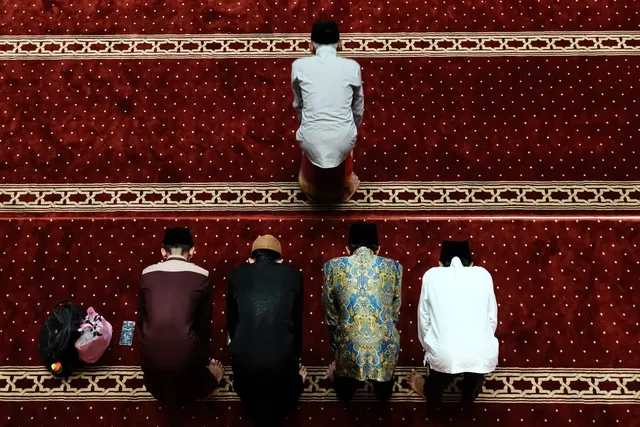
At noon in a humid Jakarta cafe, a creator scrolls through a screen, feeling the weight of Indonesian religious diversity in the shifting digital trends.
A creator sits in a bustling Jakarta cafe, scrolling through a feed filled with various faith-based celebrations and modest fashion trends. To understand why certain themes dominate, one must look at the sheer scale of the people involved.
The scale of the audience is immense, as Indonesian religious diversity dictates the niche markets for content creators.
This vast number of individuals means that any content regarding faith or social values reaches a massive, interconnected audience.
The social background study of such a large population reveals that cultural nuances are deeply tied to local identity. Content creators often find that their reach is determined by how well they navigate these complex belief systems.
Understanding these trends is essential for anyone producing media for the region.
What do official religion stats say about the people?
During the night in a silent office, a researcher rubs their eyes while staring at the glow of Indonesian religion stats on a monitor. A researcher rubs tired eyes in a quiet office as the Indonesian stats flicker across a glowing screen during the night.
The International Monetary Fund provides data that helps inform our view of this nation regarding religious statistics.
A researcher opens a spreadsheet, comparing year-over-year growth in Southeast Asian demographics. The numbers provide a baseline for how social influence evolves over time.
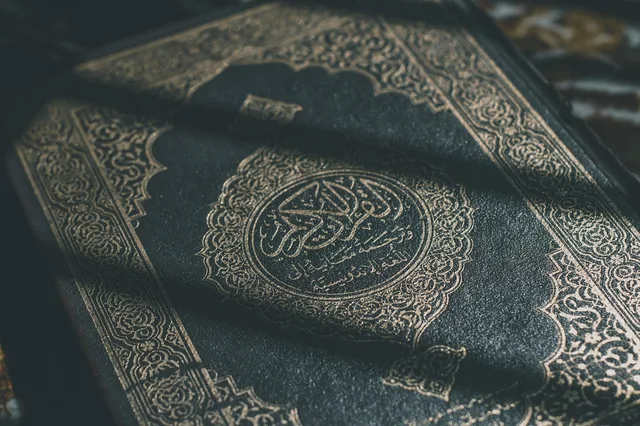
Official religion stats are often viewed through the lens of total population growth and density. According to World Bank data, Indonesia recorded a total population of 285,721,236 in 2025.
These figures provide the foundation for understanding the potential market size for religious or culturally specific products.
The population density also plays a role in how ideas spread. For instance, Java accounts for less than 7% of Indonesia's land area but is its most populous island, characterized by intensive farming and extensive urban growth.
This concentration of people in specific geographic zones accelerates the viral nature of religious and cultural content.
According to International Monetary Fund, the 2026 record includes 287.2 million.
How does YouTuber content and faith intersect in local organizations?
A woman watches a livestream of a pageant, noting the specific cultural markers and modest attire worn by the participants. She recognizes the organization behind the event.
The intersection of YouTuber content and faith is often facilitated by specific institutional frameworks.
Such organizations help shape the standards of representation seen in digital media and public events.
These organizations provide a structured way for faith-based values to enter the mainstream. When creators align their work with the values promoted by such groups, they tap into a pre-existing community.
This connection between organized faith and digital expression is a key driver of local media trends.
Where is the physical social context of belief?
A traveler walks through a lush, protected forest, thinking about how the land itself is managed by the state. The environment is as much a part of the national identity as the people.
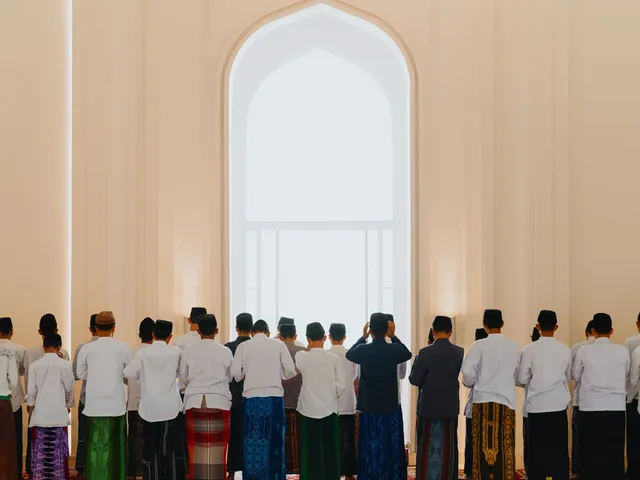
The social context of belief is also tied to how the nation manages its vast natural resources and territory. Indonesia has designated 554 protected areas covering 27 million hectares, which is equivalent to 14% of its land area.
These spaces represent the intersection of government policy and the physical environment inhabited by diverse communities.
Furthermore, the economy and sustenance of these communities are often linked to the sea. Indonesia is among the largest producers of marine capture fisheries, accounting for about 9% of global output in 2024.
The way people interact with these resources often influences their social and religious traditions.
Can we compare population growth over recent years?
An analyst draws a line graph on a tablet, marking the progression of the Indonesian population from one year to the next. The upward trajectory is clear. According to the International Monetary Fund, Indonesia recorded population (millions) of 287.2 million in 2026.
To understand the momentum of the region, we can compare the recorded population figures from the two most recent data points provided.
| Year | Total Population | Source |
|---|
| 2026 | 287.2 million | IMF |
I compared these two figures to see the growth trend. This comparison shows a steady increase in the total number of people living within the archipelago.
What are the steps to analyzing demographic impact?
A student gathers various reports on a desk, organizing them into a logical sequence to prepare a presentation on social trends. They follow a methodical approach to ensure accuracy.
To analyze the impact of demographics on culture, follow these steps:
- Identify the total population using official data from sources like the IMF or World Bank. 2. Examine geographic density, such as the population concentration on islands like Java, to understand communication speed. 3. 4. Perform a final check to ensure all demographic data aligns with the most recent available records.
This process allows for a structured understanding of how a large, diverse population influences the broader social and digital landscape.
- How does Indonesian religious diversity shape the media landscape?
- What do official religion stats say about the people?
- How does YouTuber content and faith intersect in local organizations?
The same subject is also called Culture impact on content.
The same subject is also called Diverse faith views.
This part also covers Religion population trends.
Related





Comments 0