BINUS digital education tips for tech-driven learning guide
"The digital landscape in Indonesia is expanding rapidly, driven by a massive surge in connectivity and specialized academic infrastructure."
BINUS digital education serves as a primary example of how Indonesian higher education is adapting to a massive online population. This article explores the transition of Binus University from traditional models to a fully operational digital-integrated campus.
You will learn about the specific phases of their online learning expansion, the role of the BULC facility, and the broader context of internet penetration in the region.
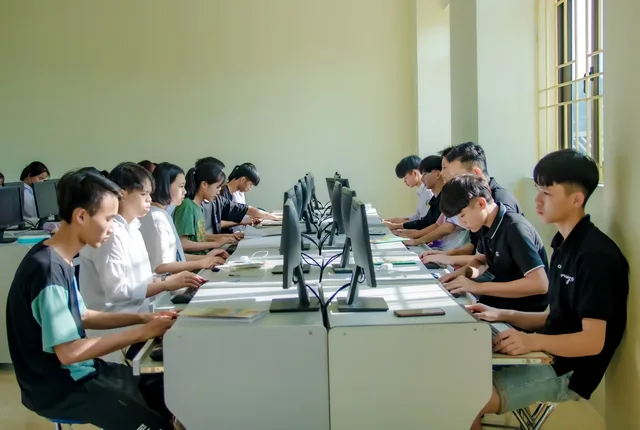
* The expansion of BINUS online learning facilities. * The timeline of the BINUS UNIVERSITY LEARNING COMMUNITY (BULC). * The impact of high internet user shares in Indonesia.
How does BINUS digital education function?
At dusk in a quiet room, I tap the screen to navigate the binus portal while feeling the cool glow of the monitor.
A student sits in a quiet room in Summarecon City, Bekasi, clicking through a digital portal to access lectures. This specific focus on BINUS digital education highlights how the institution moved toward flexible, tech-driven learning models to meet local demand.
The university transitioned through distinct phases to ensure students could engage with curriculum through specialized online facilities.
According to Wikipedia, for the initial phase in March 2016, Binus opened an online learning facility called the BINUS UNIVERSITY LEARNING COMMUNITY (BULC) in Summarecon City, Bekasi. This facility acted as a bridge between traditional classroom settings and the digital future.
The institution aimed to stabilize its online presence before moving toward a more comprehensive campus-wide digital integration.
The growth of computer science growth in the region is supported by these specialized learning hubs. As students master new software and coding languages, the infrastructure provided by the university ensures they remain connected to the global tech landscape.
- Students access the online learning management system.
- Instructors deliver lectures through digital platforms.
- Learners complete interactive assessments and modules.
What was the timeline for the BINUS tech focus?
A professor reviews a digital schedule on a tablet, noting the transition from early pilot programs to a fully integrated system. This BINUS tech focus reflects a multi-year strategy to modernize the educational experience for Indonesian youth.

The university did not implement these changes overnight but followed a structured rollout to maintain academic quality.
The development of the campus followed a specific sequence:
- 2. The establishment of specialized online learning facilities in Summarecon City, Bekasi. 3. The transition to a fully operational Binus University campus by 2018.
I observed how the shift from the 2016 pilot phase to the 2018 full operational status changed how students interacted with their coursework. This structured approach allowed the university to scale its digital offerings effectively.
In this sequence, the second step is the longest.
According to World Bank, the 2024 record includes 72.8%.
How do Indonesian tech trends impact learning?
A young developer scrolls through a news feed, noting the rising number of people connected to the web across the archipelago. Understanding Indonesian tech trends requires looking at the sheer scale of connectivity that supports digital learning.
The availability of high-speed access is a prerequisite for the success of any online-heavy academic model.
According to World Bank data, Indonesia recorded a share of internet users of 72.8% in 2024. This high level of connectivity provides the necessary foundation for digital learning case studies to thrive in the region.
When a majority of the population is online, educational institutions can confidently invest in digital-first infrastructures.
The future of digital skills in Southeast Asia is closely tied to this connectivity. As more people gain access to the internet, the demand for specialized training in areas like gaming and software development continues to rise.
What defines the BINUS digital learning case?

A researcher examines the curriculum of a private institution, noting the integration of digital tools into standard degree programs. The BINUS digital learning case is characterized by the university's ability to maintain its status as a private institution while competing in a tech-heavy market.
This balance is essential for maintaining academic rigor in a digital environment.
Bina Nusantara University, also known as BINUS UNIVERSITY, is a private university in Indonesia. By leveraging its private status, the university can pivot more quickly toward emerging technologies compared to some larger, more rigid public systems.
This agility is a cornerstone of their digital expansion strategy.
The integration of these tools allows for a more immersive experience. Students are not just reading textbooks; they are engaging with the same digital environments they will encounter in their professional careers.
How does Indonesian youth and code interact?
A student types lines of logic into a terminal, the blue light reflecting in their eyes during a late-night study session. The relationship between Indonesian youth and code is being shaped by the availability of advanced technical education.
As digital literacy becomes a standard requirement, the role of universities in providing specialized technical training becomes paramount.
The transition toward digital-centric education means that students are learning within the same ecosystems they will eventually build. This creates a feedback loop where the education system evolves alongside the industry.
The move toward a fully operational digital campus ensures that the tools used in the classroom are relevant to the modern workforce.
Can anyone access these digital resources?

A parent looks at a laptop screen, wondering if the digital shift in education is accessible to their child in a different province. While the expansion of digital learning is significant, it is important to recognize the specific conditions under which these programs operate.
The digital education model relies heavily on the existing internet infrastructure of the country.
The effectiveness of the BINUS UNIVERSITY LEARNING COMMUNITY (BULC) and similar digital initiatives is inherently tied to the connectivity of the user. While the university provides the platform, the quality of the learning experience remains dependent on the user's local internet access.
This limitation means that the benefits of digital education are most pronounced in areas with high-speed connectivity.
This part also covers How BINUS shapes tech.
Related








Comments 0