2026 Media: Personal Channels Drive Ultimate Self-Expression
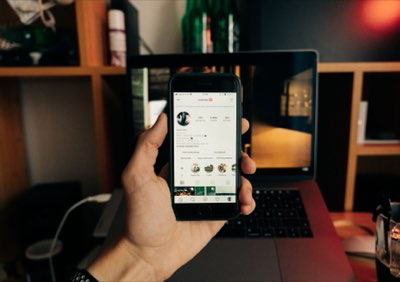
"The small world inside a smartphone has become a massive media empire, moving far beyond the traditional television screen."
The transition from broadcast studios to digital platforms is reshaping how influence is built and maintained. As creators move toward personal channels, they are moving from being mere performers to becoming independent media entities.
* Analysis of the transition from traditional broadcasting to digital platforms * The drivers behind the explosive growth of the digital market * Key elements for building a loyal digital fandom * Future outlooks for the evolving media ecosystem
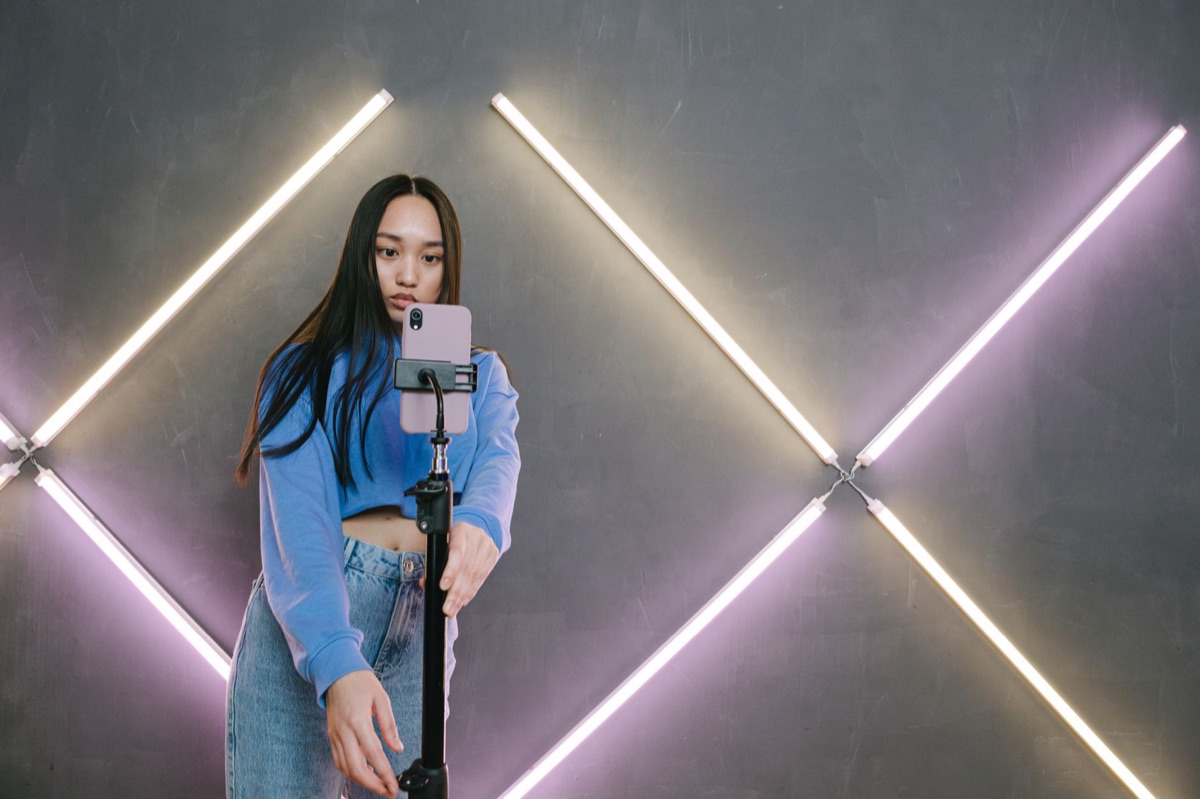
Why are stars moving toward the camera and the internet?
A viewer sits on a living room sofa late at night, scrolling through a smartphone screen, and suddenly recognizes a familiar face. The news anchor they saw on the nightly broadcast just yesterday is now sharing a casual, unfiltered moment of their daily life in a comfortable sweater.
This phenomenon reflects a massive shift in the media landscape. In the past, audiences consumed content according to the schedules and formats dictated by massive networks. Now, viewers choose when and how they want to engage.
The primary reason popular entertainers are moving to digital platforms is the ability to communicate directly and expand their reach without gatekeepers. By stepping away from the heavy filtering of large broadcasting corporations, they can present their authentic selves.
Furthermore, digital influence translates directly into business expansion. As influence grows, revenue models diversify into advertising, e-commerce, and brand collaborations.
This shift is deeply tied to the changing digital landscape. As the digital market expands, the playground for content creators grows alongside it.
By 2025, the boundaries of traditional media had already begun to crumble. In 2026, entertainers are no longer bound by fixed programming slots. Personal media has become the most powerful tool for self-expression.
As of 2025, the shift from traditional screens to mobile-first content has fundamentally redefined celebrity status.

What new opportunities does a massive digital market provide?
In a bustling city cafe, young people sit hunched over their phones, watching videos or uploading content. For them, the internet is not just a tool; it is an integral part of life.
This growth in the digital environment has provided a massive stage for entertainers. As internet penetration rises, the potential audience for content grows exponentially.
The scale of the digital market is significant. According to World Bank data, Indonesia recorded a share of internet users of 72.8% in 2024.
Such high connectivity guarantees massive traffic for content creators. Because the audience is often young and tech-savvy, new trends form and spread with incredible speed.
This environment allows entertainers to grow from mere celebrities into influential media platform operators. As the market expands, competition becomes fiercer and strategies become more sophisticated.
Setting up a basic production kit might cost between $700 and $1,500 in the early stages. It is common for creators to spend three to four hours every day on video editing. Revenue shifts significantly once a channel hits the 10,000-subscriber milestone.
How can you balance being relatable and being professional?
Seeing a celebrity in a living room or on a street corner rather than under studio lights feels different. It is less formal, but it makes the star feel much more human.
Creators moving to digital platforms use "relatability" as a powerful tool. Personal tastes, daily routines, and unfiltered emotions—things often hidden on TV—close the psychological distance between the star and the fan.
At the same time, they weave their professional expertise into their digital content. They go beyond simple vlogs by using their professional hosting or acting skills to produce high-quality content that stands out.
This strategy turns a casual audience into a dedicated fandom. Fans feel a sense of community as they watch their favorite stars grow, which strengthens digital influence.
How does this influence turn into a sustainable business? The next section looks at how influence becomes revenue.
- Define the target audience into two or three core personas. 2. Establish a consistent upload schedule, such as two to three times per week. 3. Structure content with a short, impactful introduction within the first five minutes.
- Define your core brand values to establish a professional baseline.
- Share behind-the-scenes glimpses to build authentic connections.
- Set clear boundaries regarding personal topics to maintain respect.
- Review your content weekly to ensure the tone remains consistent.
How influence turns into a digital business ecosystem
From picking out items at a local market to dining at a high-end restaurant, a creator's daily life becomes a massive moving billboard. Fans naturally become interested in the products being used.
As reported by the Investment Coordinating Board, Indonesia realized total investments of $32.5 billion in 2012.
An entertainer's influence expands into various business models. Brand collaborations are the most basic form, but more creators are now launching their own private labels.
Additionally, live commerce via digital platforms has become a massive revenue driver. Using real-time interaction to sell products often results in much higher conversion rates than traditional television advertising.
This expansion allows an entertainer to grow into an independent media company. They are no longer just talent hired by a network; they become the channel and the company themselves.
However, as influence grows, so does the weight of responsibility. Here is a comparison of how these roles differ from traditional media.
| Category | Traditional Broadcasting | Digital-Based Entertainer |
|---|---|---|
| Communication Style | One-way messaging | Two-way real-time interaction |
| Content Nature | Standardized formats and times | Flexible topics and schedules |
| Revenue Model | Salary and shared ad revenue | Diversified (ads, commerce, own brands) |
| Fan Relationship | Admiration (Star) | Partnership (Influencer) |
Brand deal pricing can range from a few hundred to several thousand dollars per engagement depending on reach. Live commerce sessions usually involve intense, focused interaction for one to two hours. When producing merchandise, minimum orders often start at 50 to 100 units.
When I tried building a multi-platform presence, I realized that consistency matters more than viral spikes. I was surprised to find that a small, engaged group of 500 followers often generates more stability than 50,000 passive viewers.

A checklist for expanding influence
Behind the smile directed at a camera lens, there is often a calculated strategy. To maintain and expand influence, creators need systematic management rather than just fleeting popularity.
To secure sustainable influence in the digital market, creators should monitor these elements:
- Maintaining Originality: Does the content have a unique color distinct from their previous professional image? 2.s Managing Fan Channels: Is there organic connection through comments, live streams, and social media? 3. Understanding Algorithms: Is the content format flexible enough to adapt to changing platform algorithms? 4. Diversifying Revenue: Has a sustainable structure been built beyond simple advertising? 5. Ethical Management: Is the social responsibility and brand risk managed alongside digital influence?
These elements are essential for moving from a passing trend to becoming a long-term media icon.
In my own experience, I noticed that in the early days, a 15-minute sincere conversation often garnered a better response than highly polished editing. I learned that consistency—uploading once a week—is more important for growth than perfection.
When I first started scaling my content, I learned that overcomplicating the process is the fastest way to burn out. I would suggest focusing on one primary platform before attempting to manage five different channels simultaneously.
The future of digital media and the role of the entertainer
In a dark room, the eyes of people staring at small screens glow with engagement. Within those screens, new worlds are unfolding, led by new voices. The IMF revised its 2009 Indonesia forecast to 3–4% following economic expansion.
The future media environment will become even more personalized and fragmented. The era centered around massive broadcasting networks is fading, while the era of individual-led micro-media is becoming more established.
In this trend, entertainers will serve as leaders of digital communities. They will create value alongside their fans and become the drivers of new cultures.
However, as influence grows, digital literacy and ethical responsibility become more critical. Gaining influence through fake news or sensationalism is risky; influence built on trust is what ensures long-term survival.
The digital market still holds massive growth potential. The world is watching to see which new stars will emerge from this massive tide.
Future entertainers must possess the skills of a "solopreneur." To stay ahead of changing algorithms, developing the habit of analyzing new trends for 30 minutes every day is vital.
The next era of media will rely on immersive, real-time interactions that happen instantly. Success will depend on managing a workload of 3-5 high-quality assets per week to stay relevant in a fast-paced feed.



Comments 0