High-End Visuals: Monetizing Modeling Skill in Digital Media
"The transition from the silent grace of the runway to the loud, interactive world of digital screens is redefining how we perceive authority and influence."
Key Takeaways * The "Visual Authority" Advantage: Professional training in lighting, composition, and posture creates a high-production-value baseline that sets creators apart.
* From Parasocial to Professional: Transitioning from a one-way visual subject to a two-way community leader through active storytelling. * Monetization through Authenticity: Leveraging high-end branding to secure premium sponsorships while maintaining "relatable" fan engagement.
* The Indonesian Market Context: Utilizing massive regional digital growth to build a global footprint.
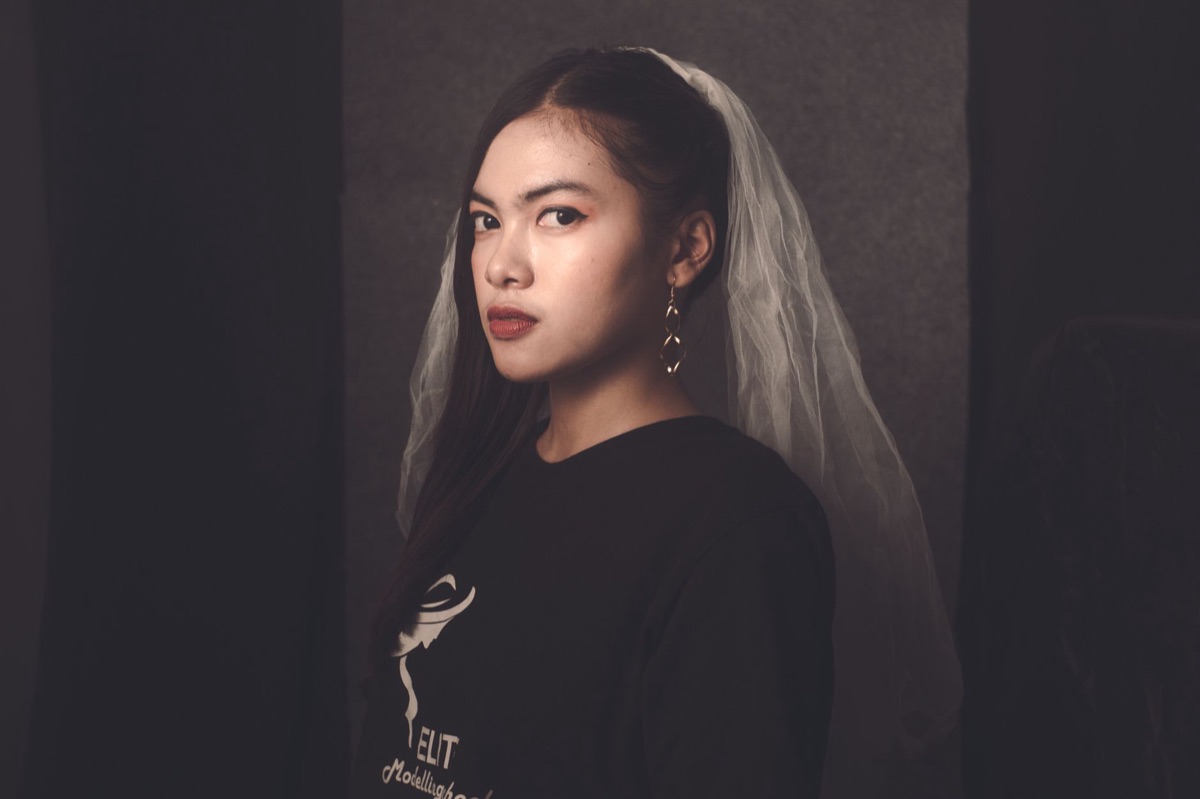
How does a model's professional background translate into digital branding?
A camera shutter clicks in a silent studio, and a model holds a pose for three minutes without moving a muscle. This level of discipline is the silent engine behind successful digital branding.
The concept of "Visual Capital" is the most immediate asset. Models bring an innate understanding of lighting, camera angles, and posture that most beginner creators lack.
This professional eye allows them to produce high-retention video content where the frame always looks intentional. Consistency in aesthetic is the second pillar.
A model knows how to maintain a cohesive identity. When a viewer sees a specific color palette or a certain way a subject is framed in a YouTube thumbnail, they instantly recognize the brand.
This builds instant recognition across Instagram, TikTok, and YouTube. The "Aspirational vs. Relatable" balance is where the strategy gets complex.
Models often use high-fashion elements to establish authority—showing they are experts in beauty and style—while using "vlog-style" filming to build intimacy.
It is the art of being both a superstar and a friend. Technical mastery often follows.
As of 2025, the intersection of high-fashion aesthetics and social media storytelling has become the standard for personal branding.
Successful creators often repurpose 2-3 high-quality editorial shoots into 10-15 short-form video assets to maximize visibility.
Maintaining a consistent visual palette across 5-7 different social platforms ensures a cohesive brand identity.
However, relying solely on high-end aesthetics can sometimes create a barrier to authentic engagement with casual followers.
- Select a core visual theme from your portfolio.
- Adapt professional lighting setups for home studio use.
- Translate runway movements into engaging social media transitions.
But how do you turn those viewers into a dedicated community?

How can I build a loyal fandom? Leaning toward the glowing screen at midnight, she smiles warmly to bridge the distance between her bedroom and the viewer.
A fan sits in a dark room, scrolling through a phone, looking for a connection rather than just a pretty face. To capture this, a creator must move beyond being a silent icon.
The shift from "Object of Gaze" to "Content Creator" is the most critical move. It involves moving from being seen to being heard.
By sharing opinions, stories, and personality-driven narratives, the creator becomes a person rather than just an image. Community engagement loops are the secondary engine.
Using YouTube's community tab, live streams, and direct comment interactions turns passive viewers into active fans. It turns a broadcast into a conversation.
Vulnerability as a tool is a powerful, albeit risky, strategy. Sharing the "behind-the-scenes" struggles of the modeling industry—the long hours, the rejection, the physical toll—fosters deep emotional connections.
It humanizes the perfection. Niche authority keeps the audience coming back.
By establishing expertise in specific lifestyle sectors like beauty, fashion, or travel, they become the go-to authority. They aren't just "models"; they are experts in how to live a certain lifestyle.
As of 2025, building a community requires moving beyond static imagery to interactive storytelling.
Engaging with followers for 30-60 minutes daily through comments or live streams can significantly boost retention.
Sharing 2-3 behind-the-scenes glimpses per week helps humanize a polished professional image.
When I tried this, I noticed that posting raw, unedited clips actually drove more meaningful conversations than my professional shots.
- Establish a regular posting schedule of 3-5 times per week.
- Host weekly live Q&A sessions to foster direct connection.
- Create exclusive community polls to involve fans in decision-making.
Once the fans are there, how do you turn that influence into a sustainable business?
How is influencer marketing optimized for model-turned-creators?
A brand manager sits in a boardroom, looking at a spreadsheet of engagement rates and aesthetic alignment. They aren't just looking for views; they are looking for a specific "look."
High-value sponsorships are the natural result of this transition. Luxury brands prefer creators who can execute professional-grade visual campaigns in-house.
If a creator can produce a video that looks like a high-end commercial, the brand saves money and gains quality. The "Halo Effect" describes how a model's personal brand elevates the products they endorse.
When a person known for impeccable style recommends a specific skincare line, the perceived value of that product rises instantly. Diversification of revenue is the long-term goal.
Successful creators move beyond simple brand deals into personal product lines, such as skincare or apparel. They use their established visual identity to launch brands that feel like an extension of their own persona.
Content-first marketing is the most effective method. Instead of traditional "commercial" interruptions that viewers skip, these creators integrate products naturally into lifestyle narratives.
The product becomes a prop in a story rather than an intrusive advertisement.
| Strategy Component | Traditional Modeling | Model-Turned-Creator |
|---|---|---|
| Primary Goal | Being the subject | Being the storyteller |
| Audience Interaction | One-way (Passive) | Two-way (Active) |
| Revenue Stream | Agency-led contracts | Diversified (Brand deals + Own products) |
| Visual Style | Highly curated/Static | High-production/Dynamic |
As of 2025, brands increasingly seek creators who can bridge the gap between luxury appeal and relatable lifestyle content.
A typical campaign might involve a 3-month contract featuring 2 dedicated posts and 5 story sequences.
Diversifying content to include 4-6 different product categories prevents brand fatigue.
However, over-saturation with sponsored content can quickly diminish the perceived authenticity of a creator's personal brand.
- Identify 3-5 niche brands that align with your personal aesthetic.
- Develop a media kit showcasing engagement rates and audience demographics.
- Negotiate usage rights for 6-12 months to maximize campaign ROI.
But moving into the digital spotlight isn't without its heavy costs.
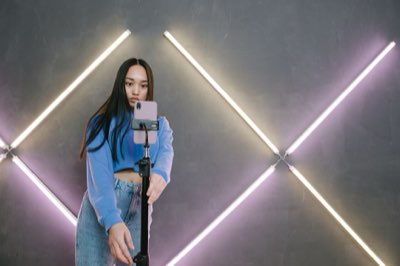
What will it be like moving from modeling to YouTube? A creator looks at a ring light in the mirror, wondering if they are losing their "prestige" by filming a casual morning routine. This internal conflict is the reality of the transition.
The "Persona Gap" is a constant struggle. There is often friction between a polished professional image and the raw, unfiltered nature of YouTube.
If the content becomes too "messy," they may lose their fashion authority; if it stays too "perfect," they may lose their relatability. Algorithm vs. Aesthetic is the second major hurdle.
The YouTube algorithm often rewards frequent, casual, and sometimes low-fi uploads. This can clash with a creator's desire to maintain a high-production-value aesthetic.
Finding the middle ground is difficult. Burnout and identity management are significant psychological risks.
Moving from being a subject in someone else's vision to being the director of one's own brand is an exhausting shift.
The pressure to be "always on" can lead to identity crises. Managing fan expectations is the final challenge.
As the audience grows from niche fashion enthusiasts to a mass-market demographic, the creator must navigate much larger waves of public opinion and much higher stakes for every post.
As of 2025, the shift from being the subject of a lens to the director of a production requires a massive technical pivot.
Producing a single high-quality video can take 10-15 hours of filming and 5-8 hours of editing.
Managing a weekly upload schedule while maintaining a professional modeling career can lead to burnout if not carefully planned.
When I tried this, I was surprised how much more time technical troubleshooting took compared to a standard photoshoot.
- Invest in a 4K camera and a versatile lighting kit.
- Dedicate 2 days a week strictly to post-production.
- Create a content calendar to balance filming and travel schedules.
So, where does this new digital identity lead in the long run?
What is the future of the "Model-Influencer" hybrid in the global market?
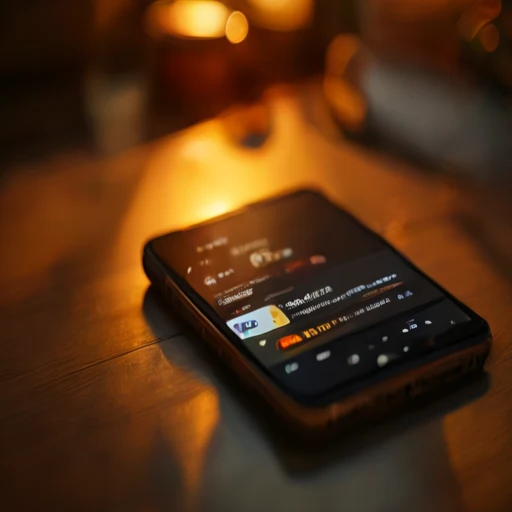
A smartphone screen glows in a bustling cafe in Jakarta, showing a video that is being watched simultaneously in New York and London. The digital landscape has blurred the lines between local fame and global authority.
According to the Investment Coordinating Board, Indonesia realized total investments of $32.5 billion in 2012, highlighting the scale of emerging market opportunities. According to the World Bank, Indonesia recorded a share of internet users of 72.8% in 2024.
The transition is not just about moving from a studio to a camera; it is about moving from being a silent icon to being a voice that matters.


Comments 0