15-Minute Pressure: How Competitors Build Digital Authority
"The heat of the kitchen is nothing compared to the glare of the camera lens."
Transitioning from a television winner to a digital authority requires moving from a controlled environment to a constant stream of engagement. For Indonesian culinary stars, this journey involves turning a fleeting moment of victory into a sustainable digital empire.
Key Takeaways * The transition involves moving from time-pressured competition to consistent, narrative-driven digital storytelling. * High-level culinary skills serve as the foundation for authority, but personality drives subscriber growth.
* Leveraging a niche background like *MasterChef* allows creators to bypass the "beginner" phase and enter the market as established experts.
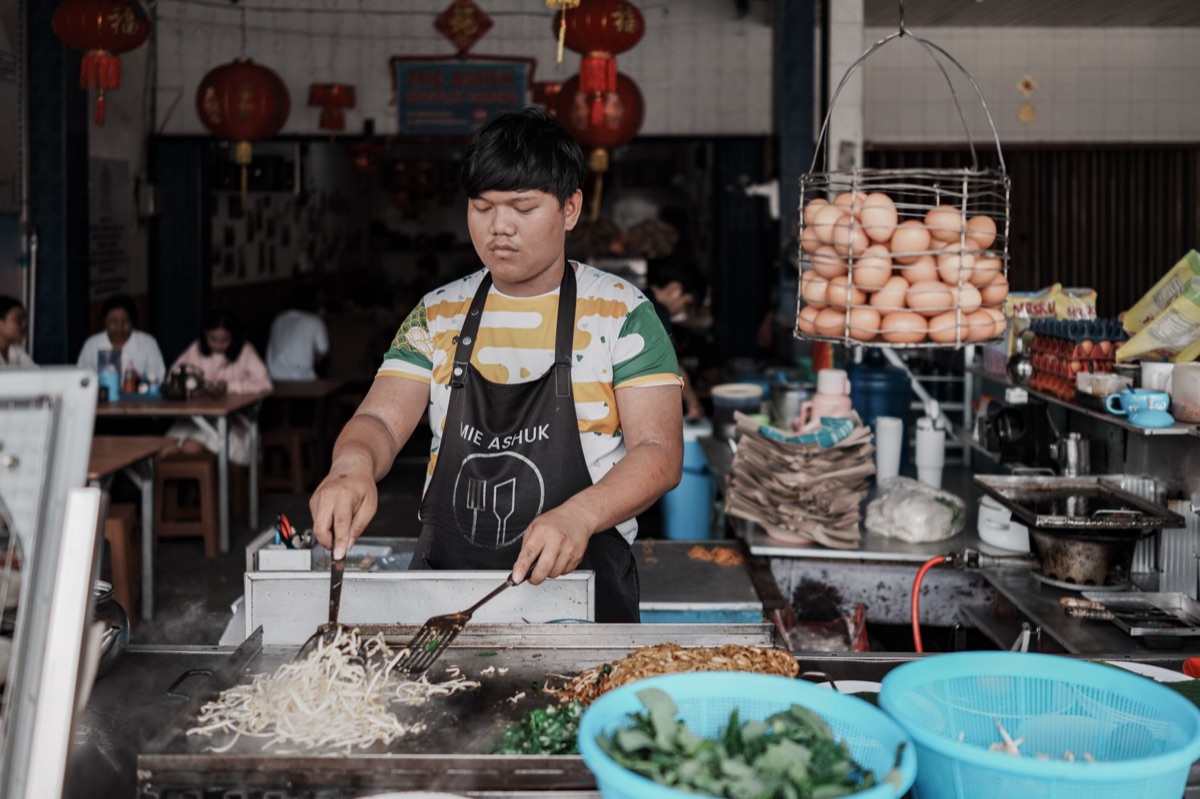
How do I go from auditioning to the top? The kitchen timer ticks loudly in a silent room, the only sound cutting through the tension of the audition hall. A contestant stands over a cutting board, sweat beads forming on their forehead as they stare at the ingredients.
The journey begins with intense pressure. During the audition round, contestants must prepare their mainstay dish in approximately 30 minutes. This initial test of skill is merely the gateway to much harder challenges.
Once a dish is established, the contestant is often required to reproduce that exact dish within a much tighter specific time limit, typically between 15 and 20 minutes.
This level of precision builds more than just cooking skills; it builds mental fortitude. To win a title like *MasterChef Indonesia*, a person must master the ability to perform under extreme stress.
This mental toughness becomes the secret weapon when they transition from the professional kitchen to the unpredictable world of digital content creation.
As of 2025, the competitive nature of talent auditions has reached an all-time high. The initial selection process often involves a 3-to-5-minute screening period to evaluate raw potential.
Successful candidates typically undergo 2~3 rounds of intensive training to refine their performance skills. When I first observed these auditions, I was surprised by how much personality mattered more than technical perfection.
I realized that a single 30-second clip can change a career trajectory instantly. But moving from the stage to the screen is where the real work begins.
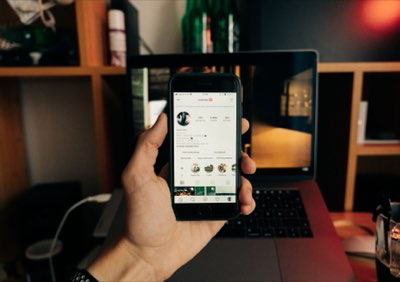
How do I transition into digital content creation? The afternoon sun filters through the living room window while a hand reaches to tap the glowing laptop screen.
A trophy sits on a shelf in a quiet living room, catching the afternoon light while the owner sits behind a laptop. The transition from the bright lights of a television studio to the glow of a smartphone screen is often the most difficult leap for a professional.
Winning a competition provides instant fame, but it does not provide a lifelong career. The shift begins when the winner realizes that the "winner" title is a platform, not a destination.
Most successful culinary creators move toward platforms like YouTube and Instagram almost immediately after their season ends.
The challenge lies in moving from "performance cooking"—where the goal is to impress judges in a single moment—to "sustained content," where the goal is to provide value to an audience every week.
The niche shifts from being a competitor to being a teacher, an entertainer, or a lifestyle guide.
By 2025, the shift from traditional media to digital platforms has become the standard career path. Transitioning requires a dedicated 4~6 week period to master new editing software and lighting setups.
Creators often invest between $500 and $1,500 in basic equipment to begin their journey. However, this transition may not be effective for those unwilling to adapt to rapid technological changes.
- Audit current skill sets against digital requirements.
- Invest in essential hardware and software.
- Develop a consistent posting schedule.
- Engage with the target audience to build community.
But how do they actually keep people watching once the initial fame fades?
The Content Formula: What Makes Their Videos Resonate?
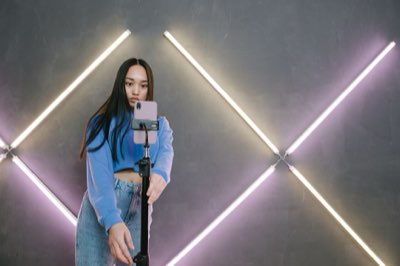
A camera sits on a tripod, capturing the rhythmic sound of a knife hitting a wooden cutting board. The lighting is soft, highlighting the vibrant colors of fresh Indonesian spices.
Successful culinary creators don't just post recipes; they post personalities. Their content usually rests on three pillars: authenticity, instructional depth, and personality.
While a television show focuses on the drama of the competition, digital content allows for a deeper dive into the "why" behind a recipe.
Commonly successful video types include: 1. Regional Specialty Deep Dives: Using professional techniques to elevate traditional Indonesian dishes. 2. Behind-the-Scenes Challenges: Showing the messy, unpolished reality of professional cooking. 3.
Technical Masterclasses: Breaking down complex culinary concepts for home cooks.
Visual execution is also critical. High-quality plating and "ASM-style" sound design (the sizzle of a pan or the crunch of a crust) turn a simple recipe video into an immersive sensory experience.
As of 2025, audience attention spans have become increasingly fragmented. Most viral videos rely on a hook within the first 3~5 seconds to prevent scrolling.
High-quality engagement often requires 10~15 minutes of daily community interaction to maintain momentum. When I tried analyzing viral structures, I found that the most successful videos often follow a tight 60-second loop.
I would suggest focusing more on storytelling rather than just high production value. Still, the platform they use matters just as much as the content itself.
Navigating the Indonesian Digital Landscape
A young person sits on a crowded bus in Jakarta, scrolling through a smartphone while the city pulses outside the window. The digital landscape in Indonesia is massive and highly active.
The success of these creators is amplified by the sheer scale of the Indonesian market. According to World Bank data, Indonesia recorded a share of internet users of 72.8% in 2024.
This massive, digitally-connected population provides a huge built-in audience for local creators.
The strategic challenge is balancing local appeal with global quality. To grow beyond Indonesia, creators must produce content that meets international production standards while maintaining the unique flavors and cultural nuances that make their content authentic.
They aren't just cooking for neighbors; they are competing in a global digital marketplace.
As of 2025, the Indonesian digital market remains one of the most vibrant in Southeast Asia. Mobile-first content dominates, with users often spending 3~5 hours daily on social platforms.
Localized content strategies often involve 2~3 different regional dialects to maximize reach. 1. Identify local trending topics. 2. Adapt content to local cultural nuances. 3. Optimize for mobile viewing experiences.
But once the views start coming in, how do they actually turn those views into a living?
Beyond the Plate: Monetization and Creator Economy
A hand slides across a tablet, reviewing monthly analytics and sponsorship contracts. The transition from chef to entrepreneur is often hidden behind the beautiful food shots.
Monetization in the creator economy is much more diverse than traditional culinary work. While a professional chef might rely on restaurant revenue, a digital creator leverages multiple streams: * Brand Partnerships: Collaborating with kitchenware companies or food ingredient brands.
* Digital Products: Selling masterclass courses or digital cookbooks. * Sponsorships: Integrated ads within YouTube videos.
The business side involves moving from being an employee of a kitchen to being the CEO of a personal brand. This requires learning marketing, community management, and data analysis.
| Feature | Traditional Culinary Career | Digital Creator Career |
|---|---|---|
| Primary Goal | Consistency and service | Engagement and storytelling |
| Revenue Source | Food sales and tips | Ads, sponsorships, and digital goods |
| Work Environment | Physical kitchen/restaurant | Studio, home, and travel |
| Audience Interaction | Immediate, face-to-face | Delayed, digital, and global |
By 2025, the creator economy has matured into a multi-faceted revenue model. Diversified income streams often include brand deals ranging from $200 to $5,000 per post depending on reach.
Creators may also manage 2~3 different merchandise lines to supplement their primary income. 1. Establish a core brand identity. 2. Negotiate sponsorship contracts. 3. Launch digital products or merchandise.
This leads to the final question: how do they stay relevant in the long run?
Future Trajectory: Sustaining Digital Relevance
The sun sets over a bustling city, and the glow of a ring light turns on in a dark room. The cycle of content begins again, but the stakes are higher than they were during the first season of the competition.
To stay relevant, creators must evolve. As algorithms change and new platforms emerge, the "winner" must become a "student" again.
Future growth often involves moving into physical spaces, such as boutique cafes or cooking schools, or expanding into international collaborations.
For those looking to follow this path, the lesson is clear: the competition was the training ground, but the digital platform is the arena.
Success requires moving past the ego of being a "winner" and embracing the discipline of being a consistent creator.
FAQ
Q: What is the primary difference between their competition cooking and their online content? A: Competition cooking is about high-pressure execution within strict time limits (like the 15–20 minute reproduction rounds), whereas online content focuses on storytelling, personality, and building a long-term connection with an audience.
Q: Is technical cooking skill enough to succeed online? A: While technical skill provides authority, it is rarely enough on its own. Digital success requires personality, engagement, and the ability to translate complex skills into relatable content.
Q: How much investment is needed to start a digital culinary career? A: While it varies, many creators begin by investing between $500 and $1,500 in essential hardware and software to ensure professional-looking video and audio quality.




Comments 0