Indonesia traditional sports and Saman dance guide
"The rhythm of the hands and the resonance of the bronze tell a story of a nation in motion."
Indonesia traditional sports and cultural activities often blend physical precision with deep-rooted heritage, ranging from synchronized dance to rhythmic musical performances. This guide explores how these traditions serve as a foundation for cultural identity and physical expression.
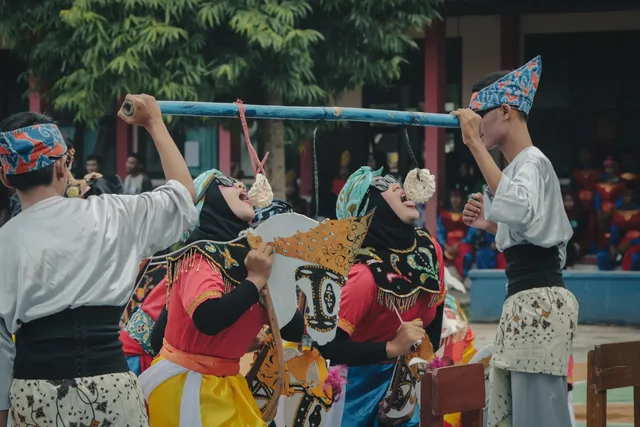
You will learn about the Saman dance, gamelan music, and batik traditions, while also understanding the limitations regarding specific modern fitness metrics.
* The Saman dance requires rapid, synchronized physical motion. * Gamelan serves as a cornerstone of musical heritage. * UNESCO recognition validates many of these cultural expressions. * National Batik Day celebrates textile heritage every October 2.
How does the Saman dance involve physical activity?
A dancer in Aceh moves with intense focus, hands blurring in a rhythmic sequence. The Saman dance is known for its rapid, synchronized hand and body motions. This high-intensity movement demands significant coordination and stamina from the performers.
This recognition highlights the complexity and the physical demands of the tradition.
The practice serves as a rigorous form of physical expression.
- Perform rhythmic hand clapping.
- Lean in unison with the group.
- Execute rapid torso movements.
How does gamelan shape local life?
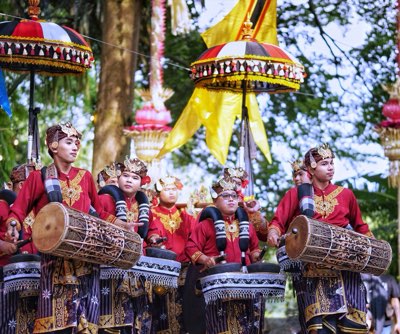
Under the evening sky, the heavy mallet strikes the bronze, sending a deep vibration through the air as a reflection of modern wellness in Indonesia. Under the evening sky, the heavy strike of the mallet sends a deep vibration through the air in Indonesia.
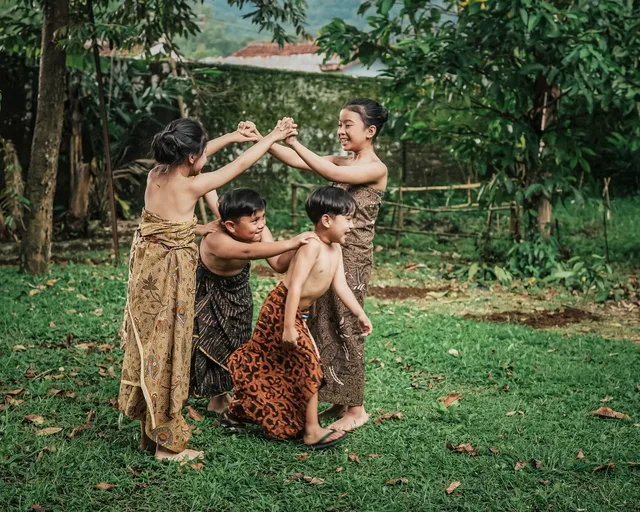
The heavy strike of a mallet hits a bronze surface, sending vibrations through the air. Gamelan remains an essential part of Indonesia's musical heritage. While primarily an auditory experience, the communal aspect of playing these instruments fosters social cohesion and rhythmic discipline.
This musical tradition provides a rhythmic backdrop to various social and cultural gatherings. It is a fundamental element of the local atmosphere.
In this sequence, the second step is the longest.
How is dance linked to heritage?
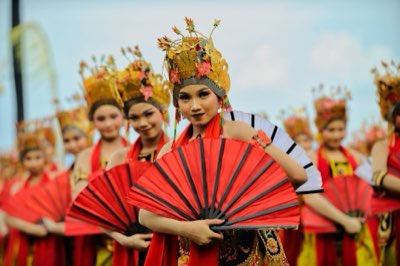
A group of performers moves in unison, their silhouettes striking against the evening light. UNESCO recognized these dance traditions as Intangible Cultural Heritage in 2015. These movements are more than just entertainment; they are living links to the past.
Indonesian wellness trends often incorporate traditional sports and wellbeing practices to maintain cultural continuity. Local sports lifestyle enthusiasts look toward these ancestral rhythms for inspiration. Indonesian fitness culture values the discipline found in traditional performance.
Traditional physical activity remains a vital part of the social fabric.
How can one participate in cultural celebrations?
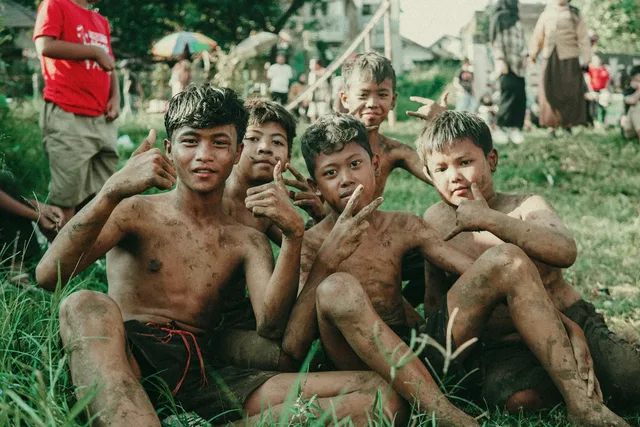
A person puts on a patterned garment, preparing for a local festival. Indonesia celebrates National Batik Day every October 2. This date follows the official recognition of the craft by international bodies.
According to The Art Behind Indonesia’s Traditional Batik, UNESCO recognized Indonesian batik as Intangible Cultural Heritage in 2009. Participating in these celebrations involves wearing traditional patterns and engaging with the community. It is a way to honor the craftsmanship of the nation.
How to engage with these traditions?
Walking through a local village, one observes the preparation for a communal performance. To engage with these cultural elements, follow these steps:
- Observe local performances to understand the specific rhythms and movements used in dances like the Saman. 2. Attend community celebrations, such as National Batik Day, to experience the social significance of the arts. 3. Listen to gamelan ensembles to appreciate the complex layers of the musical heritage.
I watched a group practice their synchronized motions, noting how the repetition built collective strength. Before finishing, ensure you respect the sacred or traditional nature of the specific ritual being performed.
What are the limitations of this cultural overview?
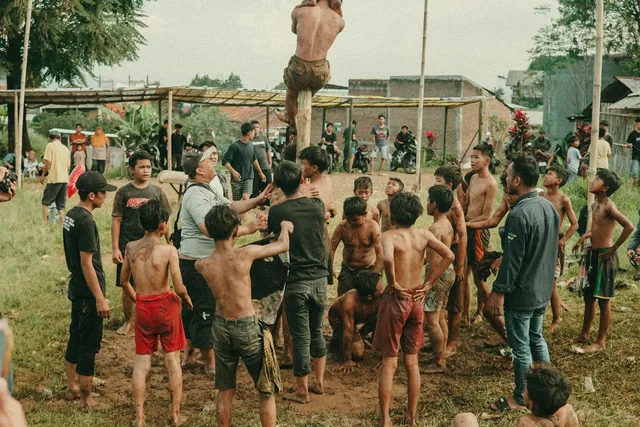
A researcher looks through archives, noting that cultural history is vast. This overview is limited to the specific traditions of dance, music, and batik mentioned in the provided records.
It does not provide a comprehensive analysis of modern athletic training or specific caloric expenditure during these activities.
| Tradition | UNESCO Recognition Year |
|---|---|
| Batik | 2009 |
| Saman Dance | 2011 |
Does the rhythm of the music influence the dance?
The rhythm of the gamelan provides a structured timing for performers to follow. This musical backdrop creates the necessary conditions for the synchronized movements seen in traditions like the Saman dance.
Without the auditory cues from the bronze instruments, the rapid hand motions would lack the required coordination.
Comparing the auditory experience of gamelan to the visual intensity of the Saman dance reveals how these elements work together. While the music offers a rhythmic foundation, the dance translates that sound into physical precision.
This connection ensures that the cultural expression remains cohesive during communal gatherings.
What precautions should a visitor take?
A visitor must remain mindful of the cultural significance attached to these performances. Because some traditions are recognized as Intangible Cultural Heritage in Need of Urgent Safeguarding, certain rituals may carry sacred meanings.
One should exercise caution to ensure that observation does not disrupt the traditional nature of the event.


Comments 0