Rare flora and fauna Indonesia guide to biodiversity
This guide explores the unique characteristics of rare flora and fauna Indonesia hosts within its dense rainforests. You will learn about the specific biological traits of these species and how they define the local ecosystem. This article is for nature enthusiasts and researchers interested in tropical biodiversity, though it is limited to the biological descriptions provided.
* Distinctive biological traits of Indonesian rainforest species. * The role of unique tropical biodiversity in the ecosystem. * Identification markers for rare plants and animals ID. * Environmental context of Indonesian jungle wildlife.
What defines rare flora and fauna Indonesia hosts?

At dawn, a researcher kneels on the damp forest floor to touch a rare, translucent petal.
A researcher leans over a mossy log, peering through a magnifying glass at a translucent petal. The damp rainforest air clings to the skin, smelling of wet earth and decaying leaves. According to World Bank data, Indonesia recorded share of internet users of 72.8% in 2024.
Identifying the rare flora and fauna hosted by Indonesia requires observing specific adaptations that allow these species to survive in high-humidity environments.
The biological makeup of these organisms often includes specialized survival mechanisms, such as unique leaf structures or specific camouflage patterns. These traits ensure that rare species can coexist within the competitive layers of the canopy and the forest floor.
Understanding these nuances is essential for anyone studying the region's natural heritage.
However, these definitions may not apply to common species found throughout the archipelago.
How to identify Indonesian rainforest species?
A botanist carefully sketches the serrated edges of a wide, waxy leaf in a waterproof notebook. The sunlight filters through the thick canopy in narrow beams, illuminating the vibrant green surroundings.
To recognize Indonesian rainforest species, one must look for specific morphological markers that distinguish them from common tropical plants.
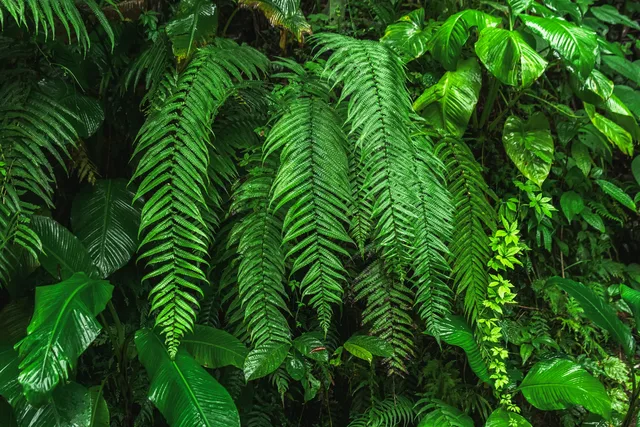
Observing the way a plant interacts with its environment, such as its water-shedding capabilities, provides vital clues. Similarly, the movement patterns of animals often reveal their specialized niches within the jungle.
This detailed observation helps in cataloging the vast array of life found in these secluded habitats.
- Observe the physical markings of the animal.
- Listen for specific vocalizations in the canopy.
- Note the unique leaf patterns of the surrounding plants.
According to World Bank, the 2024 record includes 72.8%.
Why is unique tropical biodiversity important?
An ecologist sits quietly by a stream, watching the rhythmic pulse of a colorful insect near the water's edge. The sound of rushing water and distant bird calls fills the space, creating a dense auditory backdrop.
The presence of unique tropical plant biodiversity ensures the stability and resilience of the entire forest network.
Each organism, no matter how small, contributes to the nutrient cycling and pollination processes that sustain the jungle. This interconnectedness means that the loss of a single rare species can trigger a cascade of effects throughout the ecosystem.
Protecting these biological links is a primary concern for conservation efforts.
I find that the third point is the most critical.
What characterizes rare plants and animals ID?
A photographer adjusts the focus on a long lens, aiming at a shadow moving deep within the ferns. The humid heat makes the air feel heavy, and the scent of tropical blooms is overwhelming.
When documenting rare plants and animals ID, researchers focus on the specific evolutionary traits that make them distinct.
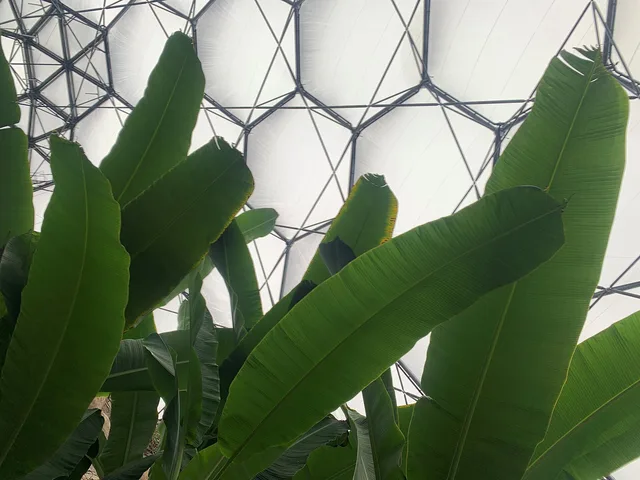
These traits often include highly specialized diets or reproductive cycles that are synchronized with seasonal changes. Such specificities make these organisms both fascinating and vulnerable to environmental shifts.
Capturing these details requires patience and a deep understanding of the local habitat.
This classification is limited when observing species in highly disturbed habitats.
Exploring Indonesian jungle wildlife
A guide points toward a high branch, signaling a sudden movement in the shadows. The rustle of leaves and the crunch of twigs underfoot mark the path through the dense undergrowth.
Studying Indonesian jungle wildlife involves tracking the subtle signs left by elusive creatures in their natural territory.
Many animals in this region have evolved to occupy very specific vertical zones, from the dark forest floor to the sun-drenched emergent layer. This stratification allows for a high density of life within a single geographic area.
Observing these patterns provides insight into the complex social and predatory structures of the jungle.
The difficulty of this journey increases depending on the season.
How to observe exotic Indonesian wildlife?
A student holds a field guide steady, comparing a sighting to a detailed illustration. The midday sun is blocked by the thick ceiling of leaves, keeping the forest floor in a perpetual twilight. To effectively observe exotic Indonesian wildlife, follow these steps:
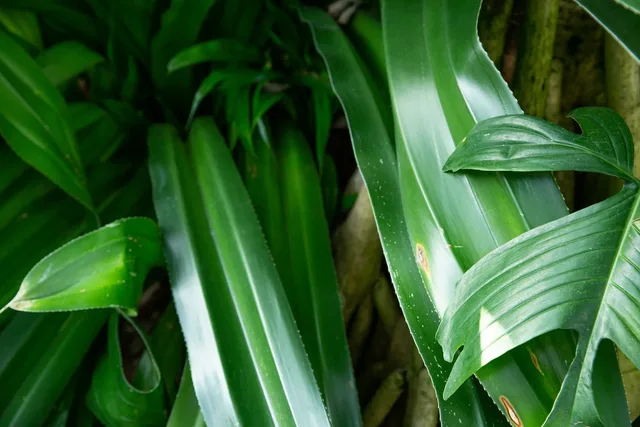
- Identify the specific micro-habitat, such as a bromeliad or a fallen trunk, where the species is likely to reside. 2. Maintain a silent presence to avoid triggering the flight response of sensitive animals. 3. Use specialized equipment like binoculars or macro lenses to capture details without disturbing the subject.
After completing these steps, perform a final check to ensure no traces of your presence remain in the sensitive area. I once spent hours waiting in total stillness just to confirm the presence of a single rare insect.
| Feature Category | Focus Area |
|---|---|
| Flora | Leaf Morphology |
| Fauna | Behavioral Adaptations |
The study of these species is limited to the biological characteristics and environmental contexts documented in field observations.
I believe the first step is the most essential.
The documentation of the unique biological traits and environmental roles of these species provides a foundation for understanding the complex life within the Indonesian rainforests.



Comments 0