Cooking channel to blogger: Guide to deep culinary textures
"The transition from a visual medium to a written one requires a deep dive into the textures and traditions that a camera alone cannot fully articulate."
A successful rep from a cooking channel to blogger involves translating sensory culinary experiences into descriptive, engaging written narratives. This guide explores how to leverage traditional recipes and cultural depth to build a sustainable blog.
You will learn how to manage ingredient nuances, structure storytelling, and navigate the shift from video to text.
How to master the rep from a cooking channel to blogger?

At midnight in the silent kitchen, she taps her pen against the table while thinking of how to turn the heat of cooking into words.
A chef standing over a steaming pot of rendang looks at the camera, but a blogger must describe the specific resistance of the meat. Moving from a visual medium to a written one requires a shift in focus from showing a technique to explaining the soul of a dish.
To succeed, you must translate the visual cues of cooking into evocative language. For example, you might describe how buffalo meat is harder and more suitable for rendang, which requires a cooking time of at least 3 hours to achieve its characteristic texture.
This type of detail provides the depth that readers crave in a blog format.
However, this transition may be difficult if your current audience only engages with visual content and lacks interest in long-form reading.
How to develop a content strategy for chefs?
Staring at the sunrise through the cafe window, the writer scribbles notes to bridge the gap between professional cooking and a deep content strategy.
A writer sits at a wooden desk, surrounded by notebooks filled with spice ratios and historical anecdotes. Developing a content strategy for chefs means moving beyond simple recipe sharing to include the cultural context of the food.
A meaningful strategy incorporates the history behind national symbols. In 2014, the Indonesian Ministry of Tourism and Creative Economy chose tumpeng as the official national dish to bind the diversity of various culinary traditions.
Using such historical context allows a blogger to provide more than just instructions; it provides a cultural journey.
This approach is less effective when your target audience consists of professional industry peers rather than home cooks.
Moving from video to blog with authentic stories
A hand reaches for a jar of soy sauce while the writer contemplates the long fermentation process. Moving from video to blog requires capturing the patience involved in traditional cooking through words.
Authentic storytelling often relies on the specific timing and preparation methods that define a dish. Consider Ayam Goreng Sulawesi, where the chicken is marinated in a traditional soy sauce for up to 24 hours before being fried into a golden color.
Writing about these long processes helps readers understand the dedication required for authentic flavors.
However, the impact of storytelling may be limited if the written narratives do not offer additional depth beyond what was shown in the video.
Becoming a food blogger with technical precision
A person carefully weighs spices on a scale while preparing to write a detailed instructional guide. Becoming a food blogger involves mastering the technical nuances of ingredients that differ from standard supermarket fare.
When writing, you must account for how different proteins behave under heat. You might explain that buffalo meat presents a coarser texture and a redder color compared to cow meat when it is fully cooked.
Providing these specific comparisons helps readers replicate complex dishes successfully in their own kitchens.
How to start a food blog using traditional roots?
An empty kitchen table is covered with various spices and a single, bright lamp. To learn how to start a food blog, one must first identify the unique cultural pillars that define their culinary niche.
According to the Indonesian Ministry of Tourism, the official national dish of Indonesia is tumpeng, chosen in 2014 by the Indonesian Ministry of Tourism and Creative Economy as the dish that binds the diversity of Indonesia's various culinary traditions.
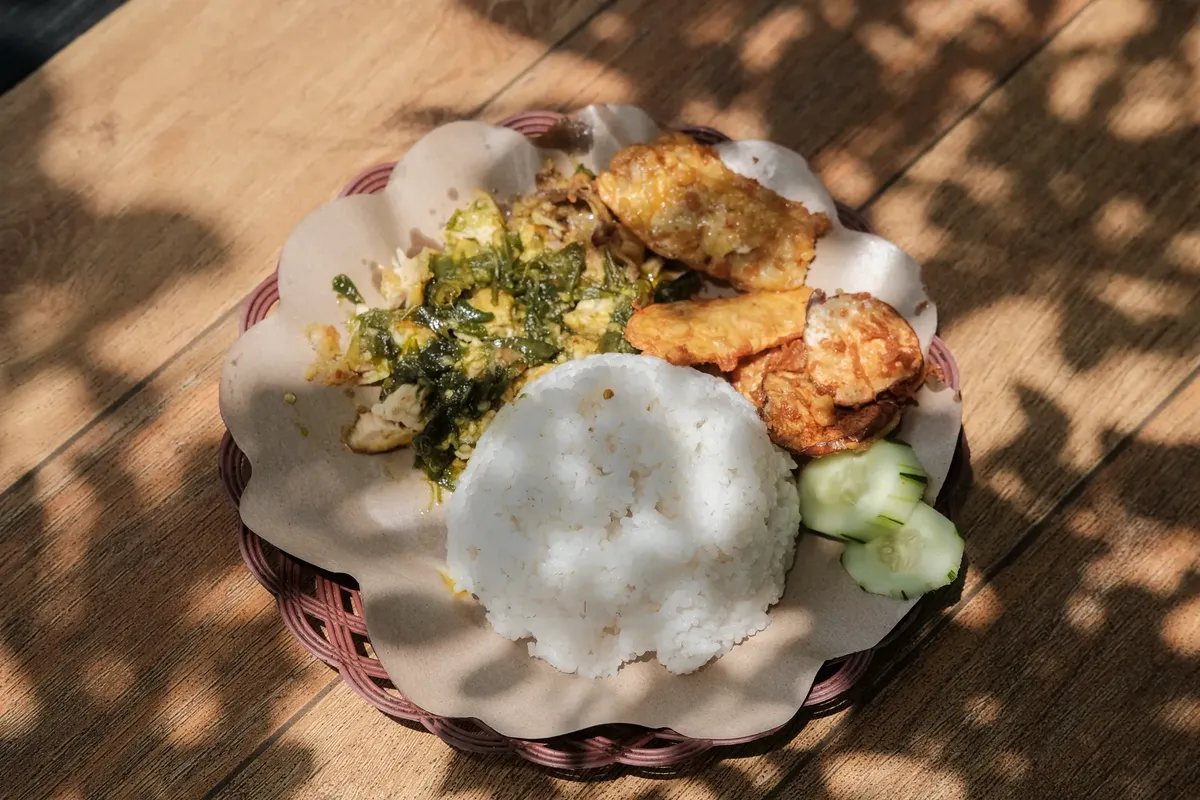
You can build a brand around specific regional specialties. For instance, the unique flavors of Makassar can serve as a cornerstone for a specialized food blog. By focusing on these distinct regional identities, you create a unique voice that stands out in a crowded digital landscape.
This strategy may not work if the traditional recipes require ingredients that are difficult for a modern, global audience to source.
Food influencer tips for long-term growth
A writer observes the sunset while reflecting on the community of readers they have built. Effective food influencer tips focus on building authority through consistent, high-quality information rather than just viral trends.
According to World Bank data, Indonesia recorded an agricultural land share of 28.9% in 2024.
Reliability comes from being a source of truth regarding traditional methods. Whether you are discussing the 24-hour marination of Celebes fried chicken or the symbolic importance of tumpeng, accuracy builds trust. This trust is the foundation of a long-term career in food media.
| Feature | Video Content | Blog Content |
|---|---|---|
| Primary Focus | Visual demonstration | Descriptive storytelling |
| Key Element | Real-time action | Technical nuance and history |
I found that comparing the texture of buffalo meat to cow meat helped me understand how to better describe the results of a long simmer in my own writing.
The transition from a cooking channel to a blog is limited to the ability to translate visual processes into meaningful, descriptive text.
However, these growth strategies may yield limited results if the content lacks a unique voice or consistent quality.
- How to master the rep from a cooking channel to blogger?
- How to develop a content strategy for chefs?
- Moving from video to blog with authentic stories
Related
- Cooking channel to blogger: Guide for life changes
- Indonesian YouTuber branding: Tips for digital success
What challenges does the transition from video to text present?
The primary challenge in the transition from visual to textual media lies in conveying the intangible qualities of the food experience. A camera captures the appearance of the cooking process, but the written word must convey the sensory depth that the visual medium alone cannot fully capture.
This shift requires the writer to articulate the subtle differences in ingredients and the dedication involved in traditional preparation methods. For example, the richness of the flavor achieved through slow cooking must be described, not just shown.
The successful translation of the visual cues into text demands that the writer explains *why* certain techniques are necessary for achieving the desired outcome. This moves the piece beyond a simple demonstration into a cultural artifact.
How does technical precision enhance the food blog?
Technical precision elevates a simple recipe into a comprehensive culinary lesson. When a blogger details the specific properties of ingredients, they move from entertainer to expert.
For instance, detailing the difference in how buffalo meat cooks compared to cow meat provides readers with actionable knowledge. This level of detail helps readers troubleshoot and achieve authenticity in their own kitchens.
The careful consideration of fermentation times or the specific role of a spice ratio adds layers of meaning to the dish. This depth transforms the blog from a quick guide into a lasting resource.




Comments 0