Tech channel lifestyle build: Guide to brand journey
Developing a brand lifestyle through a tech channel requires a strategic blend of content authenticity and audience engagement. This guide explores how creators can transition from simple product reviewers to influential lifestyle icons within the digital space.
Key takeaways: 1. Leverage high internet penetration to build a loyal audience. * Integrate personal lifestyle elements into technical reviews. * Balance product specifications with real-world usability stories.
How to build a tech channel lifestyle?

A creator sits at a desk, adjusting a ring light while testing a new smartphone. They do not just list the processor speed; they show how the device fits into a morning routine.
Building a tech channel lifestyle involves moving beyond technical specs to show how technology integrates into daily life. This strategy transforms a reviewer into a lifestyle guide, making the brand more relatable to viewers.
A successful brand lifestyle strategy ensures that the audience views the creator as a trusted companion rather than just a manual reader.
Review content branding often focuses on the product, but the most successful creators focus on the experience of using that product. By showing a tech blog success story through personal anecdotes, creators can build a deeper connection.
This approach helps in creating a digital brand presence that feels organic and lived-in.
Why does digital presence matter in Indonesia? Tech channel lifestyle build
The creator scrolls through a tablet, seeing engagement numbers climb as a new video goes live. The connectivity of the region drives the demand for digital content.

The digital landscape in the region provides a massive playground for creators. According to World Bank data, Indonesia recorded share of internet users of 72.8% in 2024. This high level of connectivity means a vast audience is constantly seeking new digital personalities.
A YouTube brand journey often begins with tapping into these massive user bases. With so many people online, a creator's digital footprint can expand rapidly through viral storytelling. This connectivity provides the foundation for any successful brand lifestyle strategy.
What are the steps for content creation?
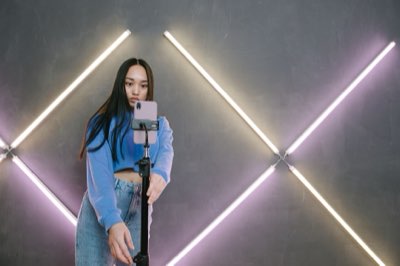
A creator picks up a camera, checks the battery, and begins setting up a tripod in a brightly lit living room. They follow a structured workflow to maintain quality.
To establish a professional yet personal brand, creators often follow a specific sequence of actions:
- Select products that align with a consistent aesthetic or lifestyle theme. 2. Film the product being used in various daily settings, such as a cafe or a home office. 3. Narrate the experience, focusing on how the technology solves everyday problems.
I remember checking my own recording setup to ensure the lighting matched the cozy mood of my desk. This careful attention to detail helps bridge the gap between a sterile review and a lifestyle story.
How to balance technical specs with lifestyle?

A creator compares two different laptops on a wooden table, noting the weight and the feel of the keyboard. They focus on the tactile experience.
The challenge lies in not losing the technical depth while pursuing a lifestyle angle. A well-rounded creator uses the product to tell a story, such as traveling with a lightweight gadget or working remotely.
| Aspect | Technical Focus | Lifestyle Focus |
|---|---|---|
| Content Goal | Specification accuracy | User experience and aesthetics |
| Audience Connection | Expert authority | Relatable daily integration |
When a creator manages this balance, they achieve a unique brand identity. This prevents the channel from becoming too dry or too superficial.
What are the limitations of this strategy?
A creator looks at a screen showing complex data, realizing that not every product fits the lifestyle narrative. They decide to skip a review that feels out of place.
While lifestyle branding is effective, it is not always applicable to every niche. A limitation of this approach is that it may not work for highly specialized industrial or B2B tech hardware where the user's lifestyle is not the primary focus.

According to World Bank data, Indonesia recorded high-technology share of manufactured exports of 8.7% in 2024. This specific industrial sector may require more traditional, data-heavy reporting rather than lifestyle-driven content.
- How to build a tech channel lifestyle?
- Why does digital presence matter in Indonesia?
- What are the steps for content creation?
The subject here is Tech channel lifestyle build.
The same subject is also called Creator image building.
This part also covers Product placement story.
Related
- Edu channel youtube branding: Guide to digital growth
- Indonesian food channel appeal: Why view guide?
How does authenticity translate into brand value?
Authenticity stems from the creator’s genuine integration of technology into their existence. When the technology review mirrors the creator's actual usage, the brand feels earned rather than manufactured. This genuine depiction is what resonates most deeply with the digitally savvy viewer.
The brand value increases because the audience sees the technology through the lens of lived experience. The creator acts as a filter, testing products against the backdrop of their established lifestyle. This moves the brand beyond mere endorsement into trusted curation.
Developing a brand lifestyle successfully hinges on this perceived truthfulness. The audience believes the creator because the content feels like a natural extension of their own life, not a paid advertisement. This sustained credibility is the ultimate goal of the brand journey.
What cautions accompany this digital journey?
The digital journey demands constant vigilance regarding content sincerity. Creators must guard against the appearance of forced integration, which can alienate the audience. Maintaining this balance is crucial for long-term brand health.
A caution arises if the creator pushes the lifestyle narrative too far into fiction. If the technology usage portrayed does not match the reality of the product's limitations, the brand suffers. The audience, being highly discerning, will detect this dissonance.
Therefore, the brand must always ground its aspirational lifestyle shots in functional reality. The technology must remain the functional element, while the lifestyle serves as the successful narrative wrapper. This dual commitment protects the developing brand identity.



Comments 0