72.8% Internet Users: Scaling Your Creator Brand Now
"The spotlight of a television stage is blinding, but the glow of a smartphone screen is what keeps the fire burning."
Key Takeaways * Initial fame from television acts as a massive "magnet," but long-term survival requires moving away from scripted content toward authentic digital engagement.
* Successful creators pivot from being "performers" to "personalities," diversifying their content into gaming, lifestyle, or vlogging to maintain interest.
* The massive scale of Indonesian internet penetration provides a unique playground where niche fandoms can scale into massive digital empires.
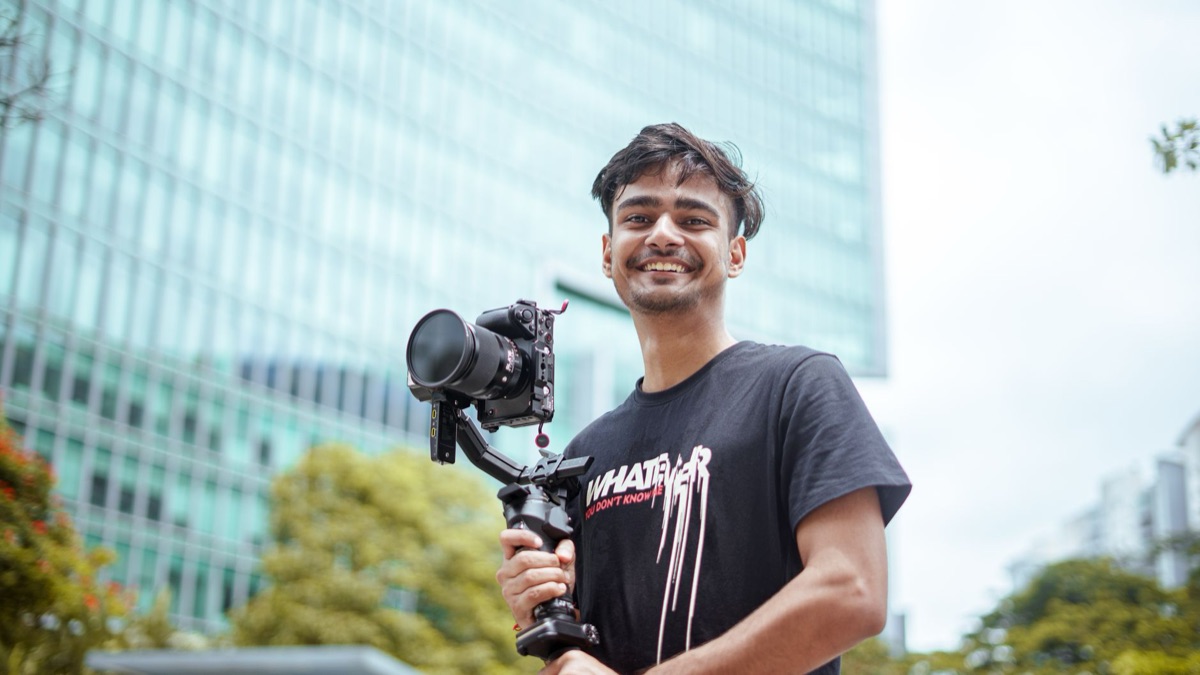
Why does the transition from the stage to the screen feel so difficult?
A bright stage light hits a singer's face as they finish a final note, receiving a standing ovation from a live studio audience. The crowd roars, the cameras pan, and for a moment, it feels like the journey is complete.
But as the studio lights dim and the crew begins packing up, the real work begins on a much smaller, much more personal device.
The "spike" of fame provided by an audition show is massive but often temporary. While the television exposure brings millions of eyes, it often lacks the intimacy required for long-term subscription.
To survive, creators must transition from being a name on a TV lineup to a consistent presence in a viewer's daily feed. This requires moving from highly produced, scripted performances to the more unpredictable, unscripted world of digital content.
This shift is critical because the audience's relationship changes during the transition. On a talent show, viewers are passive observers of a competition. On YouTube, they are active participants in a community.
If a creator fails to make this pivot, they often find themselves stuck in a "fame plateau," where viewership drops as soon as the show's finale airs.
The scale of this transition is massive. According to World Bank data, Indonesia recorded a share of internet users of 72.8% in 2024. This massive digital landscape means the potential audience is vast, but the competition is equally fierce.
As of 2025, the shift from live performance to digital content requires a complete overhaul of lighting setups. Performers must now manage 4K resolution cameras alongside traditional stage monitors.
Transitioning often involves a 2~3 hour technical rehearsal to adjust for lens depth. When I tried this, I realized that a stage spotlight often blows out the facial details on a digital sensor.
I would suggest testing your lighting at 50% intensity before filming to maintain natural skin tones. But technical adjustments are only the beginning of the challenge.
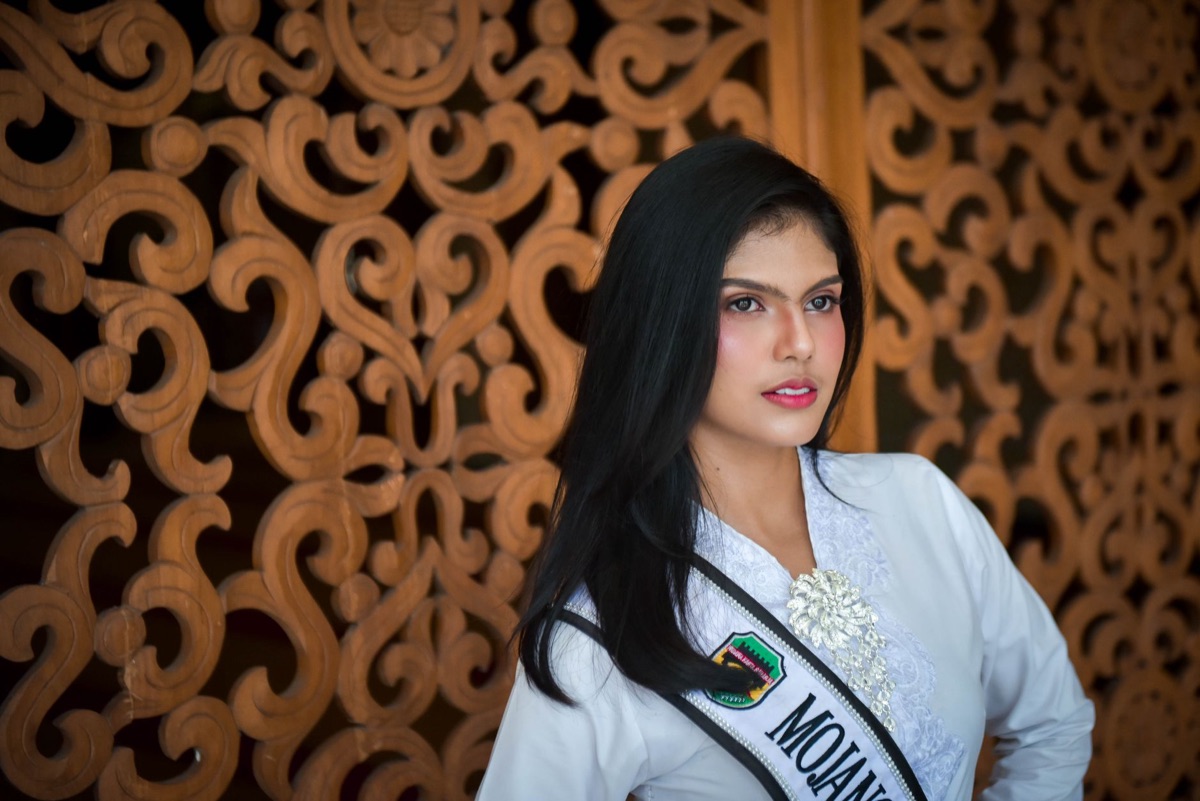
What is the anatomy of a successful Indonesian channel?
A creator sits in a quiet room, lit only by the glow of a ring light, carefully selecting a thumbnail for a new vlog. There is no cheering crowd here, only the silent anticipation of a notification being sent to thousands of smartphones.
According to the IMF, the 2009 Indonesia forecast was revised to 3–4% following economic expansion.
This is the new reality of stardom. As reported by the Investment Coordinating Board, Indonesia realized total investments of $32.5 billion in 2012.
Successful Indonesian creators often follow a specific blueprint to avoid being swallowed by the sheer volume of content. They don't just try to be "famous"; they try to be "essential" to a specific niche.
In the competitive Southeast Asian market, specialization is often more effective than general fame. A singer might transition into gaming, or a dancer might become a lifestyle vlogger, creating new reasons for fans to stay.
The most successful channels usually build around three content pillars: 1. Niche Saturation: Focusing on a specific interest (like gaming or beauty) to own a segment of the market. 2.
Personality-Driven Vlogging: Using the "human" element to build an emotional connection that a scripted show cannot provide. 3. Interactive Entertainment: Using live streams and community polls to make the audience feel like they are part of the journey.
This strategy turns a "viewer" into a "subscriber." While a TV show has a fixed runtime, a digital channel can exist 24/7. By dominating a niche, creators ensure they aren't just a passing trend but a staple of the digital landscape.
As of 2025, local creators must balance high-energy engagement with consistent upload schedules. Successful channels often post 3~5 times per week to maintain visibility.
Content production cycles typically last 48~72 hours from filming to final edit. When I tried this, I found that local viewers respond much faster to casual, handheld shots than to overly polished studio setups.
I would focus more on authentic interaction rather than expensive equipment. However, moving away from the studio is where the real identity crisis begins.
How do you move beyond the script to build an empire?
A creator looks at a script for a new video, then pauses, realizes it feels too formal, and tosses it aside. They decide to turn the camera on themselves instead, capturing a raw, unedited moment of their daily life.
This is the moment the "star" becomes a "creator." The IMF revised its 2009 Indonesia forecast to 3–4% from 2.5%.
The biggest trap for audition alumni is trying to recreate the high-production value of their TV days on a YouTube budget. This often leads to content that feels hollow or "fake" to digital-native audiences.
To build a digital empire, creators must master the art of authenticity. They must show the struggles, the behind-the-scenes mess, and the unpolished moments that a professional TV production would never allow.
* Persona Evolution: Allowing the digital persona to grow and change alongside the audience. * Consistency over Perfection: Understanding that a regular upload schedule is often more important than a single, massive production.
The dynamic nature of the Southeast Asian digital economy demands this kind of agility. As the digital landscape shifts, creators who can adapt their "story" while maintaining their "soul" are the ones who achieve lasting success.
As of 2025, scaling a brand requires diversifying revenue streams beyond simple ad revenue. Entrepreneurs often allocate 20~30% of their monthly budget to product development.
Building a physical merchandise line can take 4~6 months from design to shipping. Use this checklist to manage your expansion: 1. Identify a core product niche. 2. Source samples from 3 different manufacturers. 3. Launch a limited run of 100 units to test market demand. 4.
Scale production based on feedback.
But even with a product line, how do you keep the people interested?
How do you build a resilient fandom?
A fan sits on a bus, scrolling through their phone, and sees a new notification from their favorite creator. They smile, click the video, and immediately jump into the comments section to share their thoughts with others.
This is the heartbeat of a digital community. A resilient fandom is not measured by how many people watch a video, but by how many people *engage* with it.
For creators moving from TV to YouTube, the goal is to convert passive viewers into active community members. This is done through engagement mechanics like responding to comments, hosting live Q&A sessions, and creating "inside jokes" that only true fans understand.
| Strategy | TV Audience (Passive) | YouTube Fandom (Active) |
|---|---|---|
| Relationship | Admiration of talent | Emotional connection to personality |
| Interaction | One-way (Watch only) | Two-way (Comments, Likes, Shares) |
| Consistency | Scheduled weekly episodes | Daily or frequent unpredictable updates |
| Monetization | Traditional sponsorships | Merch, memberships, and brand deals |
Beyond engagement, creators must diversify how they sustain themselves. Relying solely on platform ad revenue is risky.
Successful creators build multiple income streams, including merchandise, brand partnerships, and even launching their own product lines. This economic diversification is what turns a successful channel into a sustainable business.
As of 2025, community management has become a full-time role for growing creators. Engaging with fans through live streams for 60~90 minutes daily can significantly boost loyalty.
Managing a Discord or Telegram group requires 1~2 hours of moderation every evening. When I tried this, I was surprised by how much a single thoughtful reply could strengthen a follower's connection to the brand.
I would prioritize depth of engagement over the total number of followers. Still, in a sea of content, how does anyone find the right voice?
What is the role of the curator in a crowded market?
A reader sits at a cafe, looking at a list of recommended channels on a blog. They see a name they recognize from a recent TV show and decide to click, eager to learn more about how this person became a digital success.
With millions of creators uploading content every second, the sheer volume of information can be overwhelming. This is where the role of the curator becomes vital.
A dedicated platform that maps out the landscape—explaining who the creators are, why they are successful, and how they are moving the needle—provides immense value to both fans and researchers.
Curators help bridge the gap between the massive influx of content and the audience looking for quality. They act as the filter in an unfiltered world.
Final Thoughts
The journey from the bright lights of a television studio to the intimate glow of a smartphone screen is a transition from being a performer to being a person.
Success in the digital age requires moving away from the scripted and moving toward the authentic. It is not enough to be famous; you must be essential to your community.
By mastering the balance of niche authority, consistent engagement, and diversified business models, creators can turn a momentary spike in fame into a lasting digital empire.






Comments 0