Cover music authenticity: Why fan engagement is vital
"Authenticity is the bridge between a performer and a listener, turning a mere imitation into a lasting legacy."
Navigating the intersection of cover music authenticity and brand identity requires a delicate balance of vocal skill and personal storytelling. This guide explores how artists can build a sustainable presence while staying true to their unique musical voice.
Key takeaways include understanding demographic engagement, maintaining originality in covers, and developing a consistent brand voice through strategic content creation.
How to build music brand equity in a crowded market?
At midnight in the dim studio, the artist wipes sweat from her brow while deciding which unique sound will cover her identity.

A singer stands before a microphone, adjusting the stand to capture the perfect angle for a studio light. They select a song that resonates with their personal style, ensuring the arrangement feels fresh rather than repetitive.
According to the International Monetary Fund, Indonesia recorded population (millions) of 287.2 million in 2026.
Building music brand equity starts with establishing a recognizable sound that distinguishes an artist from thousands of other performers.
Effective branding requires a clear sense of direction that listeners can identify within seconds of hearing a track. Artists must decide whether they are leaning into technical perfection or emotional vulnerability to stand out.
This decision shapes how the audience perceives their talent and long-term potential.
The process of building music brand equity involves consistent visual and auditory cues that signal professionalism. It is not merely about the quality of the recording but the cohesion of the artist's persona across various platforms.
A strong brand ensures that fans recognize the creator even when the genre shifts slightly.
In this sequence, the second step is the most extensive.
Why is fan engagement music vital for growth?
Late at night in the living room, he leans toward the screen and smiles as the warm glow of the monitor illuminates his face while he prepares a song cover for his fans.
An artist sits on a stool, scrolling through comments on a recent video while humming a new melody. They reply to a fan's question about a specific vocal technique, fostering a sense of community. According to World Bank data, Indonesia recorded total population of 285,721,236 in 2025.
Prioritizing fan engagement music helps transform casual listeners into a dedicated community of supporters.
Engagement is not just about numbers; it is about the depth of the connection between the creator and the listener. When fans feel seen and heard, they become active participants in the artist's journey.

This organic interaction creates a feedback loop that informs future content and creative decisions.
Meaningful fan engagement music strategies focus on interactive elements like live streams or behind-the-scenes glimpses. These moments humanize the performer and provide a deeper look into the creative process.
Such intimacy builds the trust necessary for long-term loyalty in a digital-first landscape.
According to International Monetary Fund, the 2026 record includes 287.2 million.
How to maintain originality in covers?
A musician picks up an acoustic guitar, looking at a sheet of music that has been reimagined with unexpected chord progressions. They strip away the original production to find the core emotional truth of the song.
Maintaining originality in covers prevents an artist from becoming a mere carbon copy of the original hit.
To avoid being seen as a mimic, an artist must inject their own stylistic nuances into every arrangement. This might involve changing the tempo, shifting the genre, or utilizing unique instrumentation.
The goal is to honor the songwriter while presenting a version that only this specific artist could produce.
When artists focus on originality in covers, they demonstrate their technical versatility and creative depth. It proves to the audience that they are not just singing along but are actively interpreting the music.
This level of artistry is what elevates a cover from a casual hobby to a professional endeavor.
What defines an authentic music content strategy?
A producer sits in a dimly lit room, carefully balancing the levels of a vocal track to ensure it sounds natural. They check the waveform to see if the emotional peaks align with the visual storytelling.
Developing authentic music content requires a commitment to honesty in both sound and presentation.
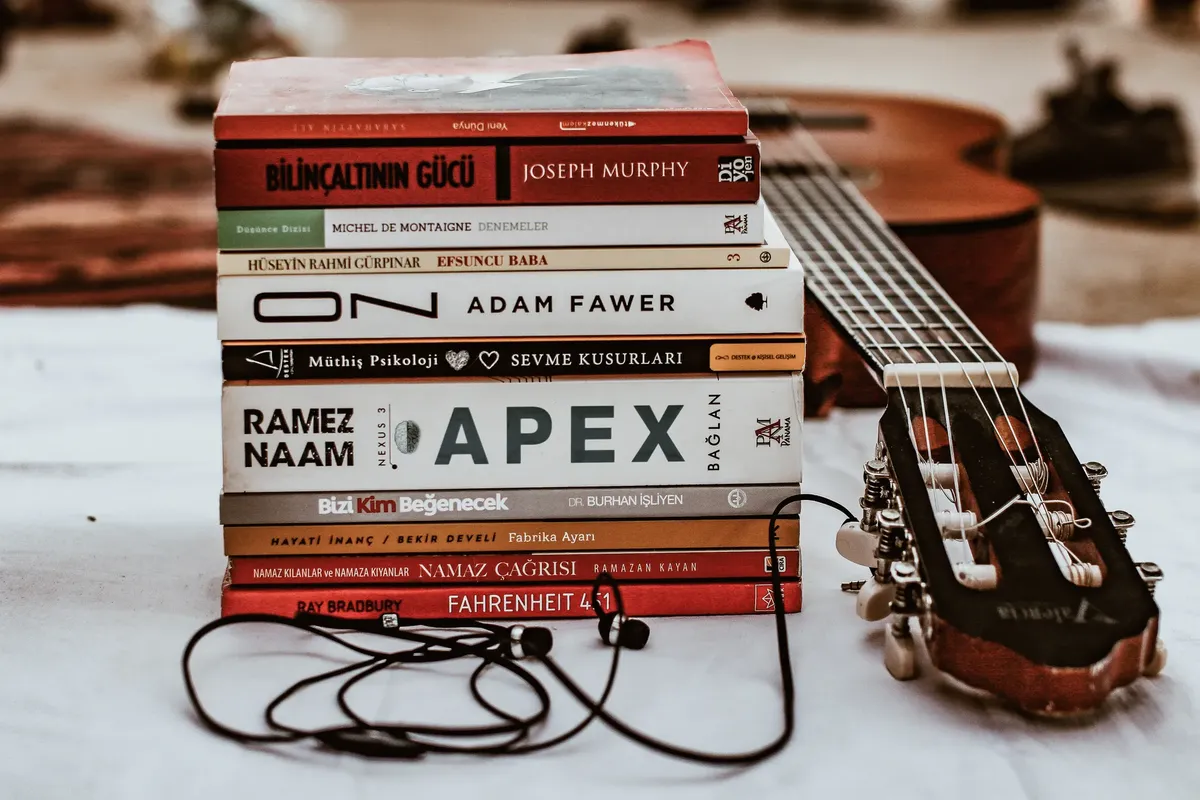
Authenticity means that the content reflects the true personality of the artist rather than a manufactured persona. Listeners can often sense when a performance is forced or disingenuous, which can damage credibility.
A strategy rooted in truth allows the artist to grow without feeling like they are wearing a mask.
Effective authentic music content strategies leverage storytelling to provide context for the music being performed. Sharing the "why" behind a song choice can create a profound connection with the audience.
This transparency helps build a brand that feels grounded and relatable to people from all walks of life.
How to develop a consistent music brand voice?
An artist chooses a specific color palette for their social media posts to match the mood of their latest acoustic session. They ensure that their wardrobe and setting remain consistent across different video uploads.
Developing a consistent music brand voice ensures that the artist's identity remains stable as they scale.
A brand voice is the unique combination of tone, style, and personality that an artist projects to the world. It should be recognizable whether the artist is posting a short clip or a full-length performance. Consistency helps in building a mental shortcut for fans to find and recognize the artist.
To refine a music brand voice, one must audit their existing content to see if the message is coherent. If the tone shifts too wildly between videos, it can confuse the target audience. A unified voice acts as the foundation for all professional communications and creative outputs.
What are the steps to launch a cover music brand?
An artist gathers their equipment, clears a space in their living room, and sets up a tripod. They take a deep breath, testing the microphone one last time before hitting the record button. Launching a professional presence requires a structured approach to balance creativity with business.

- Define the unique sonic identity that will serve as the foundation for all covers. 2. Create a content calendar to ensure a regular and predictable posting schedule. 3. Establish a visual aesthetic that complements the musical style.
After completing these steps, perform a final check of the audio quality and visual lighting to ensure professional standards are met. I once spent three hours adjusting a single light to ensure the shadow didn't distract from the vocal performance.
This level of attention to detail is what separates amateur uploads from professional branding.
A limitation of these strategies is that they require significant time and resource investment, which may not be feasible for those without professional equipment or stable environments.
- Define your unique musical identity and visual style.
- Select a repertoire of songs that showcase your specific vocal or instrumental strengths.
- Establish a regular release schedule across social media platforms.
Related




Comments 0