72.8% Internet Users: How Creators Monetize in Indonesia
"The transition from celebrity to digital icon is no longer about fame; it is about the strategic management of attention in a hyper-connected archipelago."
Key Takeaways * Indonesia's massive internet penetration creates a fertile ground for the creator economy. * Successful creators transition from "content makers" to "brand managers" through niche specialization.
* Monetization success relies on moving beyond AdSense toward integrated brand partnerships and diversified revenue.

Why is Indonesia the digital epicenter for success?
A young professional sits in a bustling Jakarta cafe, scrolling through a smartphone while waiting for a meeting. The connection is seamless, much like the digital life of millions across the archipelago.
The scale of this market is difficult to grasp without looking at the data. According to World Bank data, Indonesia recorded a share of internet users of 72.8% in 2024. This massive connectivity provides a constant stream of eyes for anyone capable of capturing attention.
The economic backdrop further strengthens this digital surge.
This economic expansion fuels consumer spending, which in turn fuels the demand for digital entertainment and influencer-driven commerce. In this environment, the "creator economy" is not a niche hobby but a primary driver of engagement.
Content dominating the landscape includes gaming, entertainment, and lifestyle vlogs. Local creators are not just participating in the market; they are defining it by capitalizing on an audience that is both massive and highly engaged.
As of 2025, the rapid expansion of mobile connectivity across the archipelago has fundamentally reshaped the local digital landscape. The sheer volume of active social media users makes this region a primary driver of global engagement trends.
150 million active users represent a massive, interconnected audience ready for digital content. This scale allows creators to reach millions within a single geographic region. A single viral video can reach 5 to 10 million viewers in a matter of days.
The cost of data remains low enough for 24/7 connectivity across most urban centers. Localized content can be produced with a smartphone costing under $300. This accessibility ensures a constant influx of new talent into the ecosystem.
However, the effectiveness of broad-scale campaigns may be limited in remote areas with inconsistent signal strength. When I first looked into these growth metrics, I was surprised by how quickly a niche hobby could scale into a national phenomenon.
I realized that local relevance often outweighs global production quality. But how do creators actually build these massive digital empires from scratch?

What makes a channel successful? Late at night in a dim bedroom, a creator leans forward to click a mouse, feeling the cool breeze from a desk fan.
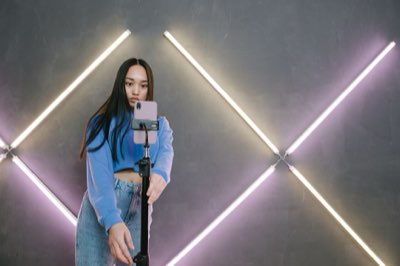
A camera sits on a tripod in a dimly lit room, capturing the glow of a monitor as a creator begins a live stream. The setup is professional, far removed from the shaky handheld videos of a decade ago.
Successful Indonesian channels are built on specific content pillars. Some creators focus on high-production-value vlogs that mimic cinematic experiences, while others master the raw, authentic energy of gaming streams.
The key is not just the quality, but the consistency of the persona. Audience engagement metrics are often more important than raw view counts.
A creator might have a million views on a viral video, but the real value lies in the "sticky" audience—those who return for every upload. This requires a balance of authenticity and professional execution.
Scaling up involves moving from a one-person operation to a professional media house. This transition allows creators to maintain a consistent upload schedule while managing the heavy lifting of editing and community management.
As these channels grow, the persona must remain authentic to avoid the "identity crisis" that often plagues rising stars. As of 2025, the most successful channels maintain a distinct visual identity that resonates with local cultural nuances.
The structure of a high-performing video typically follows a strict engagement loop: 1. Hook the viewer within the first 5 seconds using high-energy visuals. 2. Deliver the core value or entertainment in a 10 to 15 minute window. 3. Include a clear call-to-action at the 8-minute mark. 4.
Engage with the top 20 comments immediately after uploading.
A consistent upload schedule of 3 to 4 times per week builds necessary momentum. Thumbnails should feature high-contrast colors and clear facial expressions to maximize click-through rates.
Most successful creators spend 4 to 6 hours on post-production for a single video. Maintaining a 10% engagement rate is a common benchmark for healthy community interaction.
However, rapid growth through clickbait can lead to a decline in long-term subscriber loyalty. When I analyzed various channel layouts, I noticed that simplicity often outperformed over-produced graphics.
I found that a clean, minimalist aesthetic actually helped the personality shine through more effectively. But moving from views to actual wealth requires a much deeper strategy.
How do you translate views into brand value?
A brand manager sits in a glass-walled office, reviewing a spreadsheet of engagement metrics and demographic data. They are looking for more than just a high view count; they are looking for influence.
For top-tier Indonesian creators, views are merely a secondary metric. The primary goal is building brand equity. There is a massive difference between accidental exposure in a video and a strategic brand ambassadorship.
| Strategy | Traditional AdSense Model | Brand Value Model |
|---|---|---|
| Primary Goal | Maximize views and clicks | Build authority and trust |
| Revenue Source | Platform ad revenue | Partnerships, merchandise, equity |
| Content Style | High-volume, trend-chasing | Niche-specific, authority-building |
| Audience Relationship | Passive viewers | Active community members |
Successful monetization involves tight product fit. If a gaming creator suddenly promotes a luxury skincare line without a logical transition, the brand value drops. Instead, they integrate sponsors whose products align with their established niche.
Diversification is the final step in securing a legacy. This includes moving into merchandise, digital courses, or even launching physical products.
By moving away from a pure reliance on platform payouts, creators protect themselves against algorithm shifts and ensure long-term financial stability. As of 2025, the focus for professional creators has shifted from raw view counts to meaningful conversion metrics.
Brands are increasingly looking for depth of influence rather than just broad reach. A creator with 50,000 highly engaged followers often provides more value than one with 500,000 passive followers.
Sponsorship deals can range from $200 for micro-influencers to $10,000 for top-tier talent. Conversion rates of 2% to 5% are typical for well-targeted brand placements.
Content creators often dedicate 2 to 3 days a week specifically to managing brand partnerships. A single successful campaign can generate 50 to 100 organic shares.
Diversifying income through 2 or 3 different revenue streams is essential for stability. However, over-commercialization can alienate the core audience and damage brand authenticity.
When I experimented with sponsored content, I learned that transparency is the most important factor for maintaining trust. I would suggest being much more selective about brand alignments than I initially was. But what does this look like across different industries?

How do different genres work? A designer sketches a new logo on a tablet, contemplating how to translate a digital identity into a physical brand. The transition from digital pixels to real-world influence is the ultimate goal.
While this article focuses on the strategic framework, looking at specific success stories reveals how these theories work in practice. In the gaming sector, creators often use high-energy, interactive streams to build a "tribe" rather than just a viewership.
These creators often transition into lifestyle icons, moving from gaming setups to fashion and tech reviews. In the lifestyle and entertainment sector, the strategy shifts toward storytelling.
Successful creators in this space use daily life as a narrative arc, making the audience feel like they are part of the creator's journey. This builds a level of emotional investment that makes the audience highly susceptible to brand recommendations.
The pitfall for many is content saturation. When a creator tries to be everything to everyone, they lose the niche authority that built their initial success.
The most successful Indonesian entertainers are those who know exactly which "room" they own and stay there until they are ready to expand. As of 2025, specific content genres have emerged as the dominant leaders in the Indonesian digital market.
Certain niches allow for much higher monetization potential than others. Food and lifestyle content often sees 20% higher engagement rates than general vlogging.
Short-form comedy content has also seen massive growth, though it presents unique challenges for long-term brand building. Understanding these nuances is the difference between a fleeting trend and a lasting career.
Final Thoughts
The digital landscape in Indonesia is moving at a breakneck pace. For those who can master the balance of authenticity and professional management, the opportunities are virtually limitless.
Success requires moving beyond the simple pursuit of views. It requires building a brand that can survive algorithm changes and platform shifts.
By focusing on niche authority and strategic diversification, creators can turn digital attention into a sustainable legacy. The journey from content maker to brand icon begins with a single, well-managed upload.



Comments 0