Global food vlogger Indonesia: 420,000 die from food why
A camera lens focuses on a steaming bowl of satay in a bustling Jakarta market, capturing the vibrant colors of local spices.
Analyzing a global food vlogger Indonesia visit reveals how creators navigate local culinary landscapes by balancing cultural immersion with food safety awareness.
This analysis explores the intersection of travel vlogging and regional food security, highlighting how creators handle diverse environments.
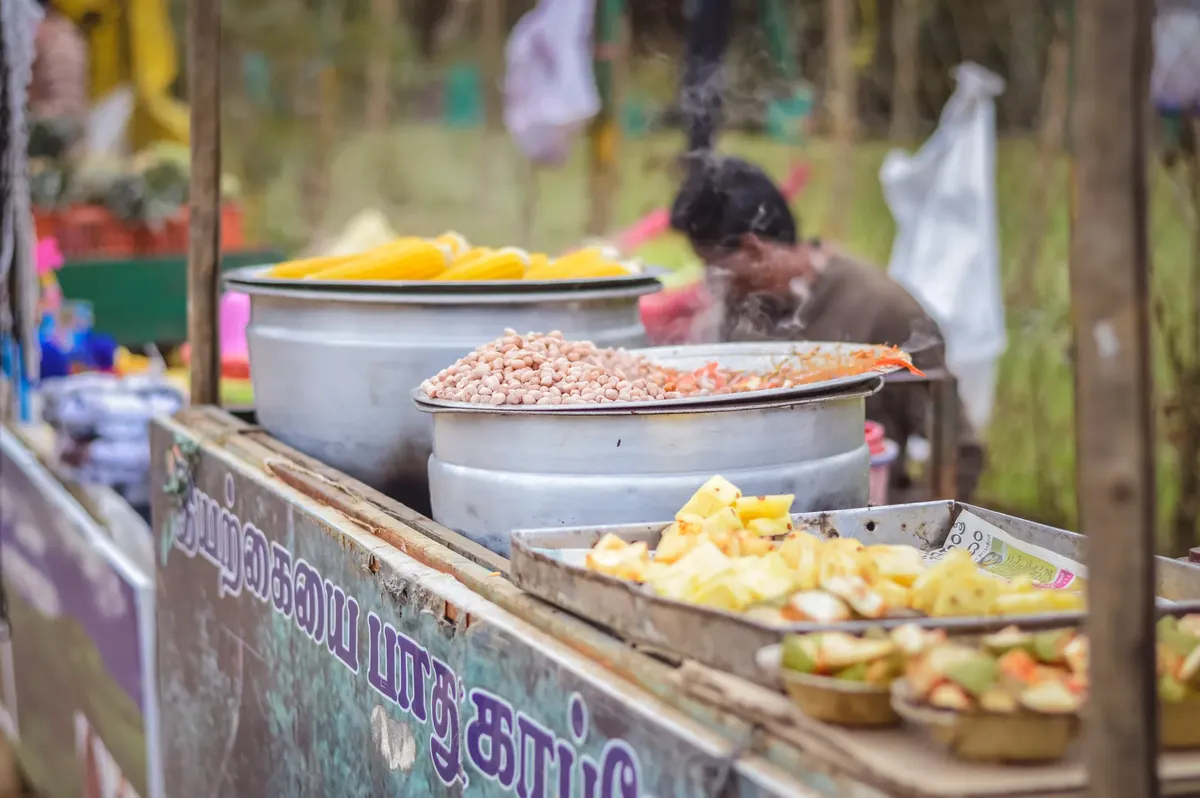
Key takeaways include the importance of understanding local agricultural contexts, the necessity of managing foodborne risks during travel, and the role of international standards in food security.
How does a global food vlogger Indonesia visit handle local production?
At dawn in the emerald rice fields, the vlogger reaches out to touch the damp soil while contemplating the scale of global agriculture.
A vlogger steps into a lush, green field where the soil is rich and the air is humid. Examining the background of local ingredients requires understanding the land that produces them.
According to World Bank data, Indonesia recorded agricultural land share of 28.9% in 2024. This significant land use provides the foundational ingredients for the diverse dishes featured in travel vlogs.
Understanding these agricultural statistics helps a creator appreciate the scale of local food production.
- Identify authentic ingredient sources.
- Observe traditional preparation methods.
- Coordinate with local producers for filming permissions.
What are the safety risks of food blogging in Indonesia? Under the hot midday sun at a crowded market, the traveler wipes sweat from their brow while contemplating the global risks of street food.
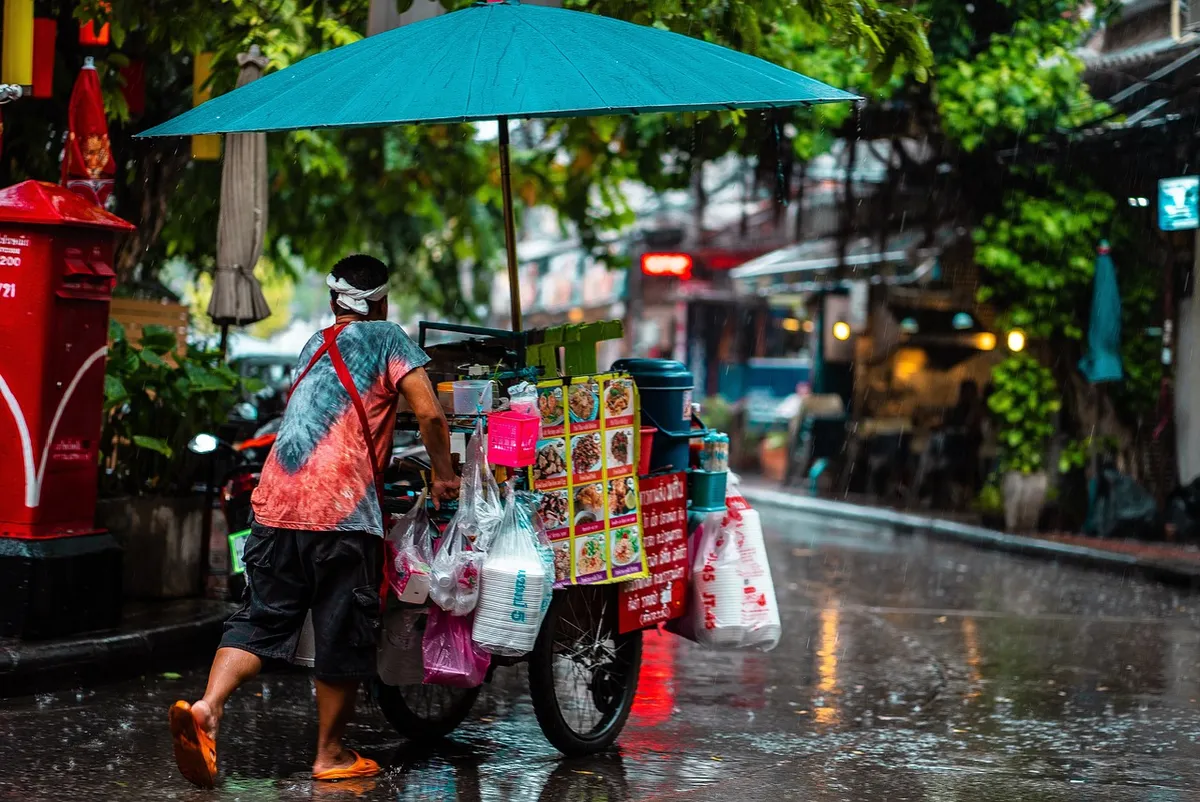
A traveler sits at a small wooden table, eyeing a brightly colored street food stall with a mix of excitement and caution. Navigating unpredictable food environments is a central challenge for any traveling creator.
The risk of illness is a constant consideration when trying new dishes in various regions. According to the World Health Organization (WHO), about 600 million people worldwide get sick, and 420,000 die each year, from eating contaminated food.
This global reality underscores the importance of hygiene when filming in diverse environments.
In this sequence, the second step is the most extensive.
According to World Bank, the 2024 record includes 28.9%.
How do they manage a street food journey Asia?
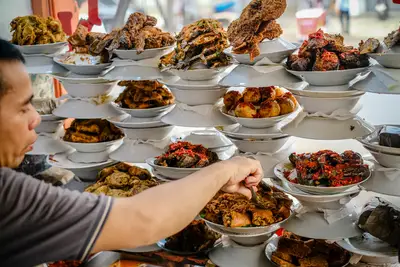
A creator moves through a crowded night market, the scent of grilled meat filling the air as they navigate tight walkways. Managing a successful food tour often involves balancing the desire for authenticity with personal health.
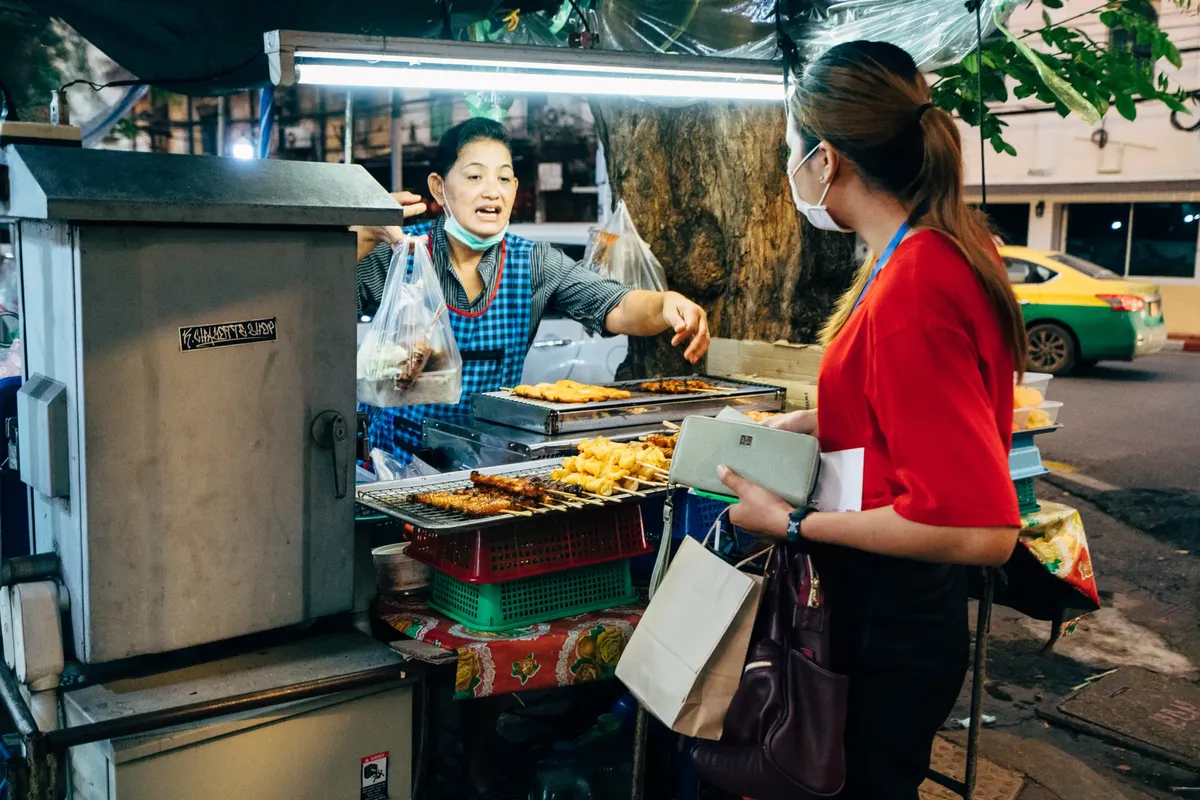
A traveler's taste adventure requires careful planning to avoid common pitfalls. While seeking out unique flavors, creators must remain aware of the potential for foodborne illness. Maintaining a balance between exploration and health is a vital skill for anyone documenting local eats.
Can I enjoy a taste adventure safely? The vlogger carefully inspects a vendor's workstation before deciding to try a sample. A structured approach to tasting can help mitigate some of the risks associated with food exploration.
- Observe the vendor's cleanliness and the temperature of the food being served. 2. Choose high-turnover stalls where ingredients are fresh and constantly being prepared. 3. Verify that food is cooked thoroughly at high temperatures before consumption.
I once watched a creator carefully select a stall where the ingredients were visibly being handled with care. This method of observation is essential for maintaining health while documenting authentic Indonesian dishes.
What are the limitations of documenting food locally?
A creator stands in a quiet corner of a busy market, looking at the complex logistics of food distribution. There are inherent challenges to filming food content in developing agricultural regions.
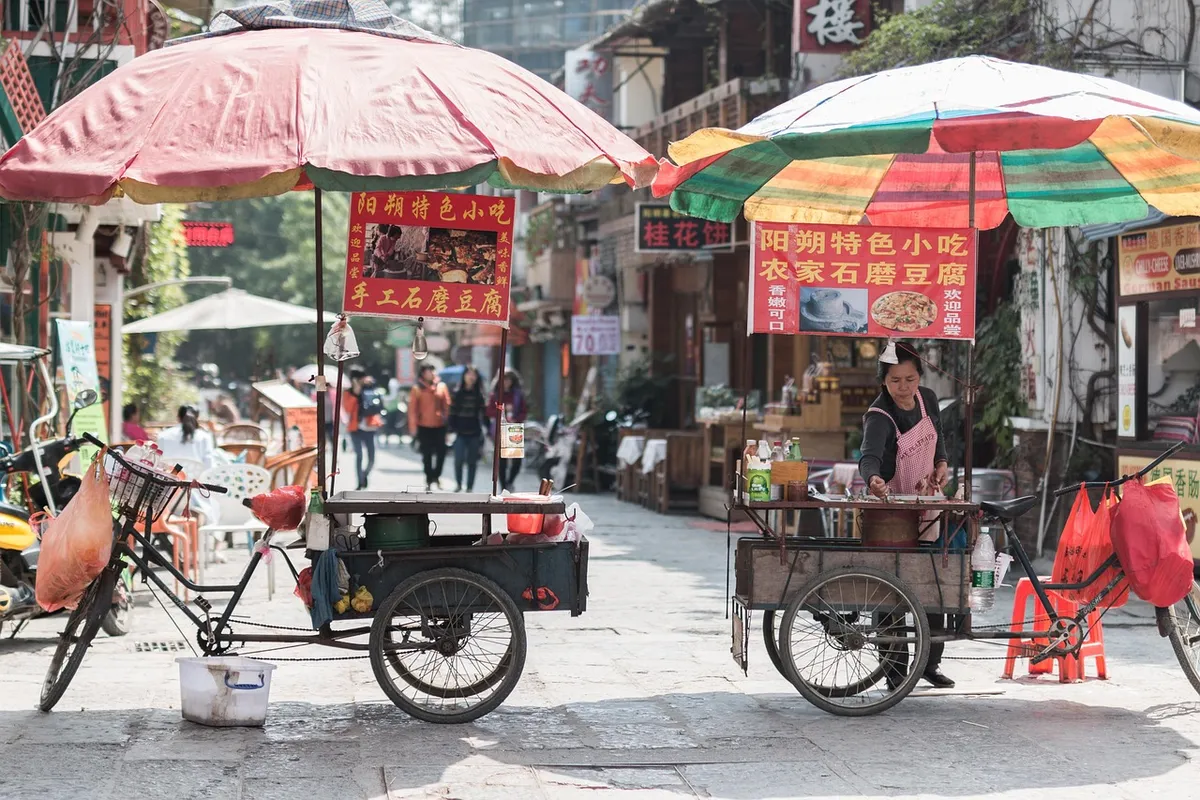
A limitation of analyzing food content is that local land use data may not reflect the specific sanitary conditions of a single street stall. For example, while the 28.9% agricultural land share in 2024 provides a macro view of production, it does not dictate the hygiene of individual food vendors.
The subject here is Global food vlogger Indonesia.
The same subject is also called Food blogger visit Indonesia.
The same subject is also called Travel vlog local eats.
The same subject is also called Foreigner tries local food.
This part also covers Local market food tour.
Authentic Indonesian dishes
Related
How does the camera lens frame the local production process?
The camera lens captures the richness of the ingredients, mirroring the scale of Indonesian agriculture. This visual documentation connects the global reach of the food to its specific, local origins.
What cautionary elements does the lens reveal about food handling?
The camera lens can reveal the critical hygiene practices at a street stall. Observing the vendor's preparation methods is crucial for assessing potential health risks. This visual evidence supports the caution advised regarding foodborne pathogens encountered during travel.
Observations made through the camera lens underscore the journey from raw material to consumed dish. The lens documents the entire chain, from the fertile soil to the final plating in the bustling market.
How does the camera lens frame the journey from field to plate?
The camera lens documents the entire sequence, starting with the raw materials harvested from the land. This visual documentation bridges the gap between the vast agricultural output and the specific dish enjoyed in the market.
The lens captures the initial state of the ingredients, linking them to the documented land use percentage.
This visual record provides a powerful contrast between the macro-level data and the micro-level reality of a single meal. The lens serves as a bridge, allowing viewers to trace the journey of the food from its origin to its consumption point.
What cautionary elements does the camera lens reveal about the preparation process?
The camera lens acts as a witness to the hygiene standards present at the vendor's station. It captures the preparation methods, allowing viewers to assess the potential presence of pathogens. This visual evidence supports the caution advised regarding foodborne risks inherent in such environments.
Observing the preparation through the camera lens is equivalent to performing a visual inspection of the food safety protocols in place. This careful observation is key to understanding the risks while appreciating the culinary authenticity.



Comments 0